
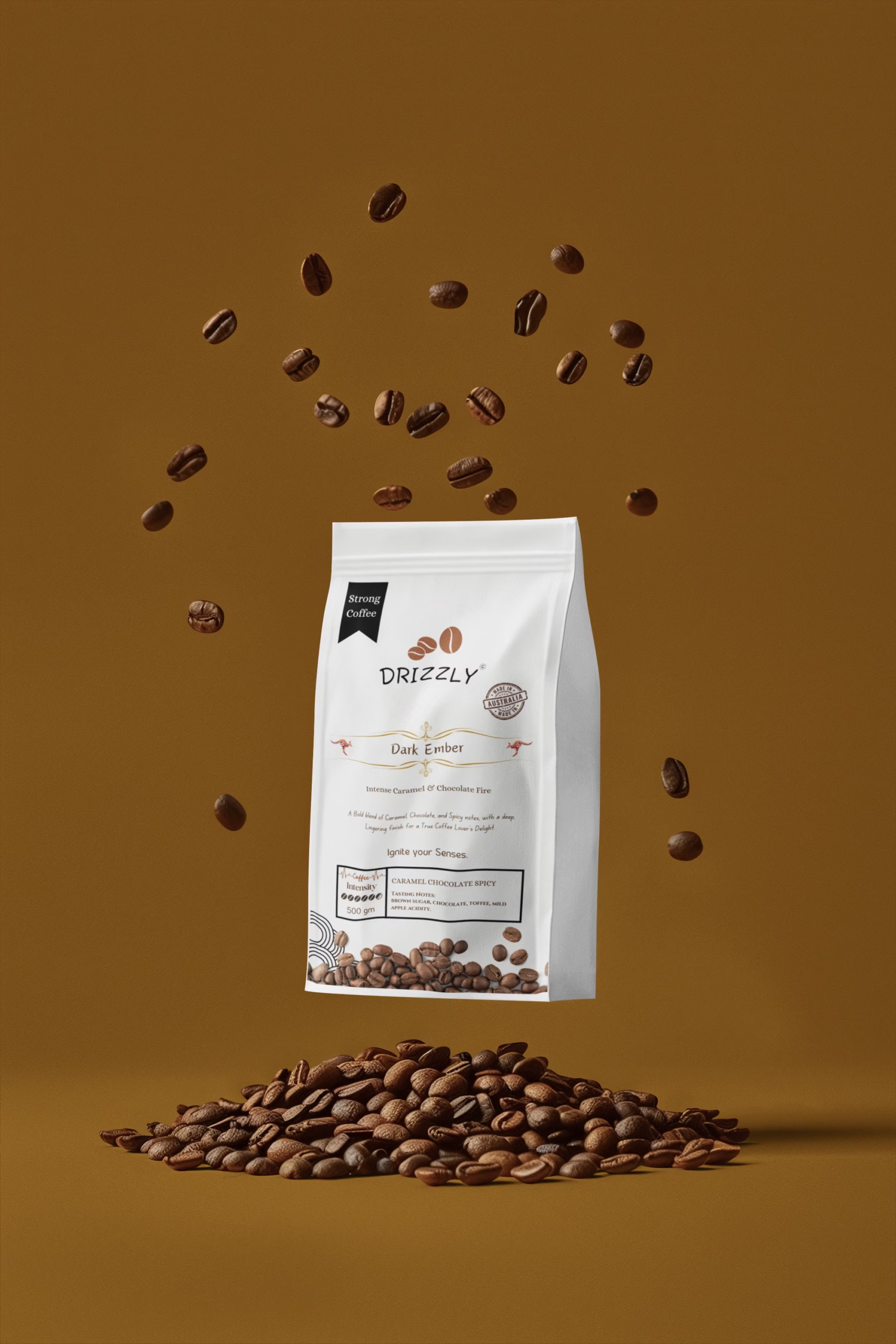
If you think decaf coffee means bland, watery cups, think again. Here in Australia, where coffee culture is vibrant and discerning, many coffee lovers seek decaffeinated options that don’t sacrifice the rich, full flavours they crave. Whether it’s for late-night sipping, pregnancy, or caffeine sensitivity, a well-prepared decaf can be just as satisfying as its caffeinated counterpart.
What Is Decaf Coffee and How Is It Made?
Decaf coffee is coffee that has had most of its caffeine removed—usually 97% or more—while retaining the beans’ natural flavours. The challenge is preserving those flavours during decaffeination, which involves soaking or steaming green coffee beans to extract caffeine.
Common Decaffeination Methods
- Swiss Water Process: Uses pure water and osmosis to gently remove caffeine without chemicals. This method is prized for maintaining bean flavour and is popular among organic coffee producers.
- CO2 Process: Uses pressurised carbon dioxide to dissolve and remove caffeine. It’s efficient and retains much of the original flavour but requires specialised equipment.
- Solvent-Based Methods: Employ chemical solvents like methylene chloride or ethyl acetate to extract caffeine. Modern processes use food-safe solvents and ensure minimal residues, but some coffee enthusiasts prefer non-chemical methods.
Understanding the decaffeination method helps you choose beans that suit your taste and values. For example, Drizzly Cafe’s Native Ground – Authentic Nutty Caramel & Citrus Essence offers 100% organic single-origin beans, likely processed with flavour-friendly methods.
Why Does Decaf Often Taste Flat, and How Can You Avoid It?
Decaf coffee can taste dull or flat due to several factors:
- Bean Quality: Some decaf beans come from lower-grade lots since decaffeination is an extra step, and demand is smaller.
- Over-Roasting: Roasters sometimes darken decaf beans to mask flavour loss, which can result in bitter notes.
- Stale Beans: Like all coffee, decaf beans lose flavour quickly after roasting and grinding.
To enjoy full flavour, look for freshly roasted decaf blends with flavour profiles you enjoy. For example, Drizzly Cafe’s Velvet Reserve – Decadent Dark Chocolate & Caramel Symphony is a house blend with deep chocolate, caramel, and spice notes—great for espresso or Aeropress.
Brewing Tips for Full-Flavoured Decaf Coffee
Brewing decaf coffee is much like brewing regular coffee, but some small adjustments can make a big difference:
Use Fresh, Quality Beans
Buy decaf beans that have been recently roasted (ideally within 2–4 weeks) and store them in an airtight container away from light and moisture.
Grind Just Before Brewing
Grinding right before brewing maximises aroma and flavour. Use a burr grinder for consistent particle size.
Adjust Your Grind Size
Decaf beans are often denser and slightly different in texture, so start with a grind size similar to your regular coffee but be prepared to tweak it. For espresso, a slightly finer grind may help extract more flavour; for drip or Aeropress, adjust as needed to avoid under-extraction.
Experiment with Brew Ratios and Times
Decaf coffee might need a bit more coffee grounds or longer brew times to reach full flavour. For example, an espresso dose of 20-21 grams with an extraction of 25-30ml over 25-30 seconds, as recommended for blends like Velvet Reserve, is a good starting point.
Water Quality and Temperature
Use clean, filtered water at about 92-96°C. Avoid boiling water straight onto grounds as it can scorch and dull flavours.
Common Mistakes When Brewing Decaf Coffee
- Using Stale Beans: Don’t buy decaf in bulk unless you can consume it quickly. Stale beans lose nuance and become flat.
- Incorrect Grind Size: Too coarse leads to weak, sour coffee; too fine results in bitterness and over-extraction.
- Ignoring Brewing Equipment Cleanliness: Old coffee oils and residue can taint delicate decaf flavours.
- Under-Dosing: Using less coffee than usual may cause watery, insipid brews—try increasing dose slightly.
Troubleshooting Your Decaf Coffee Experience
- Flat or Weak Taste: Check freshness, grind size, and coffee-to-water ratio. Try a slightly finer grind or more coffee.
- Bitter or Overly Strong: Grind may be too fine or brew time too long. Adjust grind coarser or shorten extraction.
- Lack of Aroma: Ensure you’re using fresh beans and clean equipment. Store beans properly.
- Too Acidic or Sour: Might be under-extracted. Try a finer grind, slightly higher temperature, or longer brew.
Decaf Coffee and Milk: A Perfect Match
Many Australian coffee lovers enjoy their decaf with milk. Creaminess can help round out any flavour gaps in decaf. Blends with chocolate, caramel, or nutty notes work brilliantly with milk, enhancing sweetness and mouthfeel. For instance, the Summit Blend – Creamy Caramel & Citrus is designed to shine in both black and milk-based drinks.
Takeaway: Enjoying Full-Flavoured Decaf Coffee in Australia
Decaf coffee doesn’t have to be a compromise. By understanding decaffeination, choosing quality fresh beans, adjusting your brewing technique, and keeping your equipment clean, you can enjoy rich, satisfying coffee anytime. Whether it’s a smooth flat white or a bold espresso, decaf coffee can delight the palate just as much as regular coffee.
