
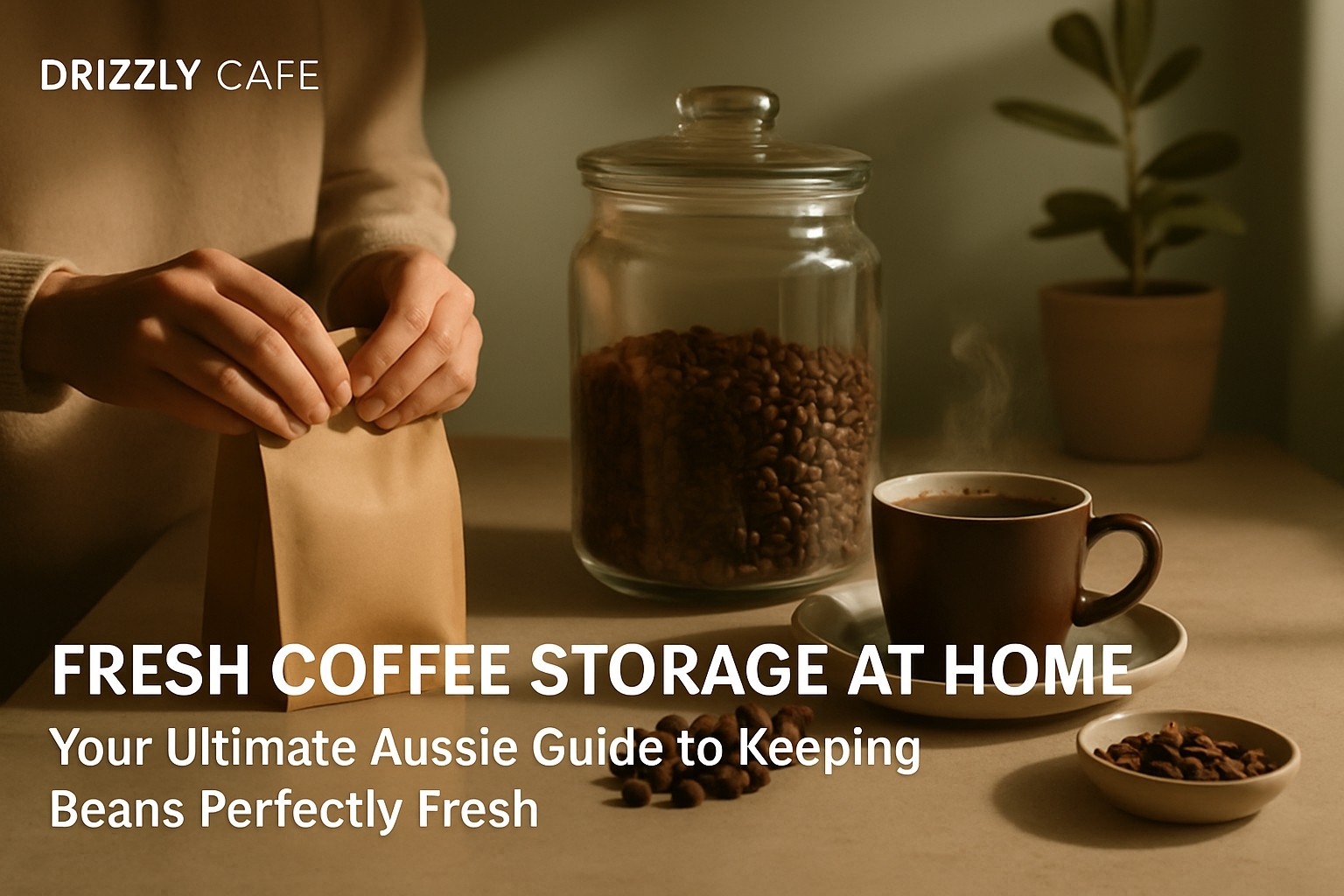
Nothing beats the aroma and flavour of freshly brewed coffee made from freshly roasted beans. But keeping those precious beans at home in tip-top condition can be a bit tricky if you don’t know the best ways to store them. In this guide, we’ll break down everything you need to know about fresh coffee storage at home, helping you preserve the rich flavours and delightful aromas you love in every cup.
Why Fresh Coffee Storage Matters
Coffee beans are living, breathing products that start changing the moment they’re roasted. Exposure to air, moisture, heat and light causes them to oxidise and lose their freshness — think of it like a once-vibrant painting fading over time. Proper storage helps slow down these processes so you can enjoy your coffee as the roaster intended.
Understanding Coffee Freshness
Freshness refers to how recently coffee beans have been roasted and how well their flavour compounds have been preserved since then. The magic window for peak freshness is typically within the first 2 to 3 weeks after roasting. After this period, the beans begin to stale, resulting in a flat, dull taste.
Key factors that impact freshness include:
- Oxidation: When coffee beans come into contact with oxygen, their flavour compounds break down.
- Degassing: Freshly roasted beans release carbon dioxide (CO2) for several days — this process is important but can affect storage choices.
- Moisture: Beans absorb moisture from the air, which can cause staling or even mould.
- Light and Heat: Both accelerate flavour degradation.
Best Practices for Storing Fresh Coffee at Home
To get the best from your coffee beans, follow these practical steps tailored for everyday Aussie homes.
1. Choose the Right Container
Opt for airtight containers made of opaque materials such as ceramic or stainless steel. Avoid clear glass or plastic jars that let in light. Airtight seals prevent oxygen from spoiling your beans. Some containers feature one-way valves that allow CO2 to escape without letting air in — ideal for freshly roasted coffee.
2. Keep Beans Cool, Not Cold
Store your coffee in a cool, dark place away from heat sources like ovens or direct sunlight. The pantry or a cupboard is usually perfect. Avoid refrigeration or freezing unless you’re storing large amounts for months, as moisture and odours can transfer to the beans. For typical weekly use, room temperature storage is best.
3. Buy in Small Batches
Purchasing coffee in amounts you can consume within 1 to 2 weeks helps ensure you’re always brewing fresh. For example, if you drink 1 to 2 cups daily, a 250g or 500g bag will last you a comfortable timeframe without risking staleness.
4. Grind Just Before Brewing
Grinding exposes more surface area to oxygen, accelerating staling. If possible, grind your beans immediately before making your brew. Whole beans store longer and better than pre-ground coffee.
5. Handle Beans with Care
Keep your coffee away from moisture and strong odours. Beans easily absorb surrounding smells, which can taint their flavour. Also, avoid opening your storage container frequently or leaving it open for long periods.
Common Storage Mistakes to Avoid
- Using clear containers: Light degrades coffee flavour quickly.
- Refrigerating or freezing daily use beans: Condensation damages beans and causes flavour loss.
- Buying too much at once: Beans go stale before you finish them.
- Storing near heat or moisture: Cupboards above stoves or near windows aren’t ideal.
Troubleshooting Your Coffee Freshness
If your coffee tastes flat, sour, or stale, it’s likely due to improper storage or old beans. Here’s what to check:
- When were the beans roasted? Always check the roast date. Freshness fades after 3 weeks.
- How are you storing them? Make sure containers are airtight and away from heat/light.
- Are you grinding too early? Grind just before brewing.
- Do you smell off-odours? If beans absorb smells from the environment, they may taste strange.
If you find your beans have lost their charm, it’s time to refresh your stash — consider trying some of Drizzly Cafe’s vibrant blends like Golden Crest – Silky Caramel & Nut Melody for a smooth, medium roast or the Native Ground – Authentic Nutty Caramel & Citrus Essence for a bright single origin experience. Both come freshly packed to lock in peak flavour.
Concise Takeaway
Storing fresh coffee at home is all about minimising exposure to air, moisture, heat, and light. Use airtight, opaque containers kept in a cool, dark spot; buy beans in small amounts; grind just before brewing; and avoid the fridge for daily coffee. This approach helps maintain your coffee’s vibrant flavours and aromas, ensuring every cup tastes as good as the first.
FAQ
- How long does coffee stay fresh after roasting?Coffee is freshest within 2-3 weeks post-roast, after which it gradually loses flavour.
- Can I store coffee in the fridge or freezer?It’s best avoided for daily use beans due to moisture and odour risks. For long-term storage, freezing in airtight bags can work but beans should be thawed before use.
- What type of container is best for coffee storage?Opaque, airtight containers with one-way valves are ideal to block light and oxygen while allowing degassing.
- Should I grind coffee before storing it?No, grinding increases surface area exposure to oxygen, so grind just before brewing to preserve freshness.
- Why does coffee lose flavour when stored improperly?Exposure to oxygen, moisture, heat, and light causes oxidation and degradation of flavour compounds.