
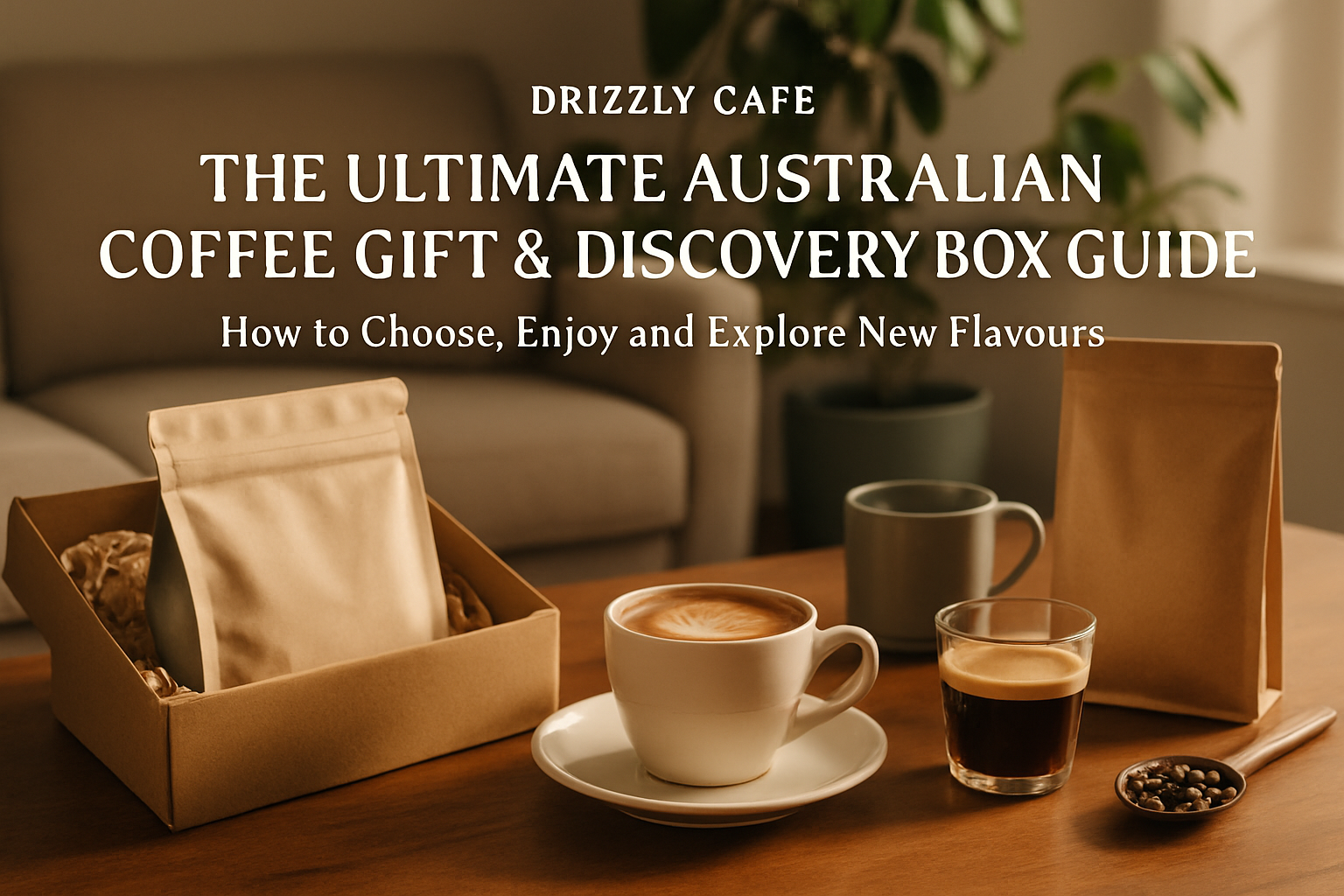
Looking to surprise a coffee lover or embark on your own flavour journey? Coffee gifts and discovery boxes offer a wonderful way to explore new blends, brewing methods and tasting notes without feeling overwhelmed. This guide, written from the perspective of a warm and knowledgeable Australian coffee expert, will walk you through everything you need to know about these thoughtful presents. We’ll cover what discovery boxes are, important concepts like roast profiles and tasting notes, common pitfalls, and practical tips for enjoying your coffees at home.
What Are Coffee Gifts and Discovery Boxes?
Coffee gifts and discovery boxes are curated selections of coffee beans, grounds or related products designed to introduce drinkers to a range of flavours and styles. They are popular as presents because they offer variety, surprise, and education in one package.
These boxes typically include several small bags of coffee from different origins or roast types, sometimes paired with tasting notes, brewing tips, or even accessories like filters or scoops. The goal is to encourage exploration and appreciation of coffee’s diverse characteristics.
blockquote>Expert insight: “Discovery boxes make great gifts because they turn coffee drinking into an adventure rather than a routine.”
Key Concepts to Understand Before Choosing a Coffee Discovery Box
Roast Profiles: Light, Medium, and Dark
The roast profile refers to how long coffee beans have been roasted, significantly influencing flavour:
- Light Roast: Retains more of the bean’s original characteristics, often bright and acidic with floral or fruity notes.
- Medium Roast: Balanced acidity and body, with sweeter, caramel-like notes. Often considered the most versatile.
- Dark Roast: Bold, smoky, and intense, sometimes with chocolate or caramel flavours. Less acidity and a heavier body.
Understanding roast helps you select a box that matches your or the gift recipient’s taste preferences.
Tasting Notes and Flavour Descriptors
Tasting notes describe the flavours and aromas you might expect. Common terms include chocolate, caramel, nutty, fruity, citrus, spice, and earthy. These are useful guides but can be subjective.
For example, Drizzly’s Velvet Reserve blend features tasting notes like brownie, toffee, cacao, and brown sugar — perfect if you enjoy sweeter, dessert-like coffees.
Coffee Origins and Single-Origin vs Blends
Coffee beans come from various countries, each bringing unique flavours due to soil, climate, and processing methods. Single-origin coffees come from one location, highlighting its specific profile, while blends combine beans from multiple origins to balance flavour and complexity.
Discovery boxes often mix single-origin samples with blends to give you a broad experience.
How to Choose the Right Coffee Gift or Discovery Box
Consider the Recipient’s Coffee Knowledge and Preferences
- Beginner: Choose boxes with a range of approachable, medium roasts and clear brewing instructions.
- Intermediate: Look for boxes that explore different origins or include single-origin coffees with tasting notes.
- Experienced Enthusiast: Opt for rare or speciality beans, darker roasts, or boxes that challenge the palate.
Check What’s Included
Some boxes focus solely on coffee beans or grounds, while others add chocolate powders, instant coffee options, or even brewing guides. For instance, Drizzly’s Instant Coffee – Drizzly’s Speciality is great for convenience and could complement a discovery box for someone who likes quick brews.
Quantity and Freshness
Quality coffee tastes best fresh. Look for boxes with beans roasted and packaged recently, ideally with roast dates visible. Smaller bags (50-100g) are typical to encourage quick consumption and freshness.
Practical Tips for Brewing and Tasting Your Discovery Box Coffees
Brewing Methods to Try
- Espresso Machine: Great for intense, concentrated flavour and crema. Ideal for blends like Drizzly’s Amber Reserve with rich chocolate and butterscotch notes.
- Aeropress: Versatile and portable, produces clean and bright cups.
- French Press: Full-bodied and robust, good for darker roasts.
- Pour-over: Highlights clarity and complexity, best with light to medium roasts.
Tasting and Comparing Coffees
- Start with a clean palate, avoid strong foods or drinks beforehand.
- Cup the coffee by smelling the grounds and brewed coffee to notice aromas.
- Sip slowly, letting the coffee coat your tongue to detect flavours and acidity.
- Take notes to remember your favourites and flavour impressions.
Common Mistakes and Troubleshooting
Using Old or Stale Coffee
Stale coffee loses aroma and tastes flat or bitter. Always check roast and expiry dates and store beans in airtight containers away from heat and light.
Incorrect Grind Size
Grinding too fine or too coarse for your brewing method can cause over-extraction (bitter) or under-extraction (sour, weak). Adjust grind size until the taste balances.
Water Quality and Temperature
Use clean, filtered water heated to about 92-96°C (just off the boil) for optimal extraction.
Not Measuring Coffee and Water
Consistency is key. Use scales to measure coffee dose and water volume for repeatable results.
Takeaway: Your Coffee Adventure Starts Here
Coffee gifts and discovery boxes are perfect for anyone keen to explore the rich and varied world of coffee without confusion or snobbery. By understanding roast profiles, tasting notes and brewing methods, you can confidently select a box that suits your or a loved one’s tastes. Remember to brew mindfully, taste attentively, and store your coffee well to get the most from each cup.
For a balanced introduction to rich chocolate and caramel flavours, try Drizzly’s Velvet Reserve or Amber Reserve blends, which also come with practical brew guides to help you get started. Happy sipping!