
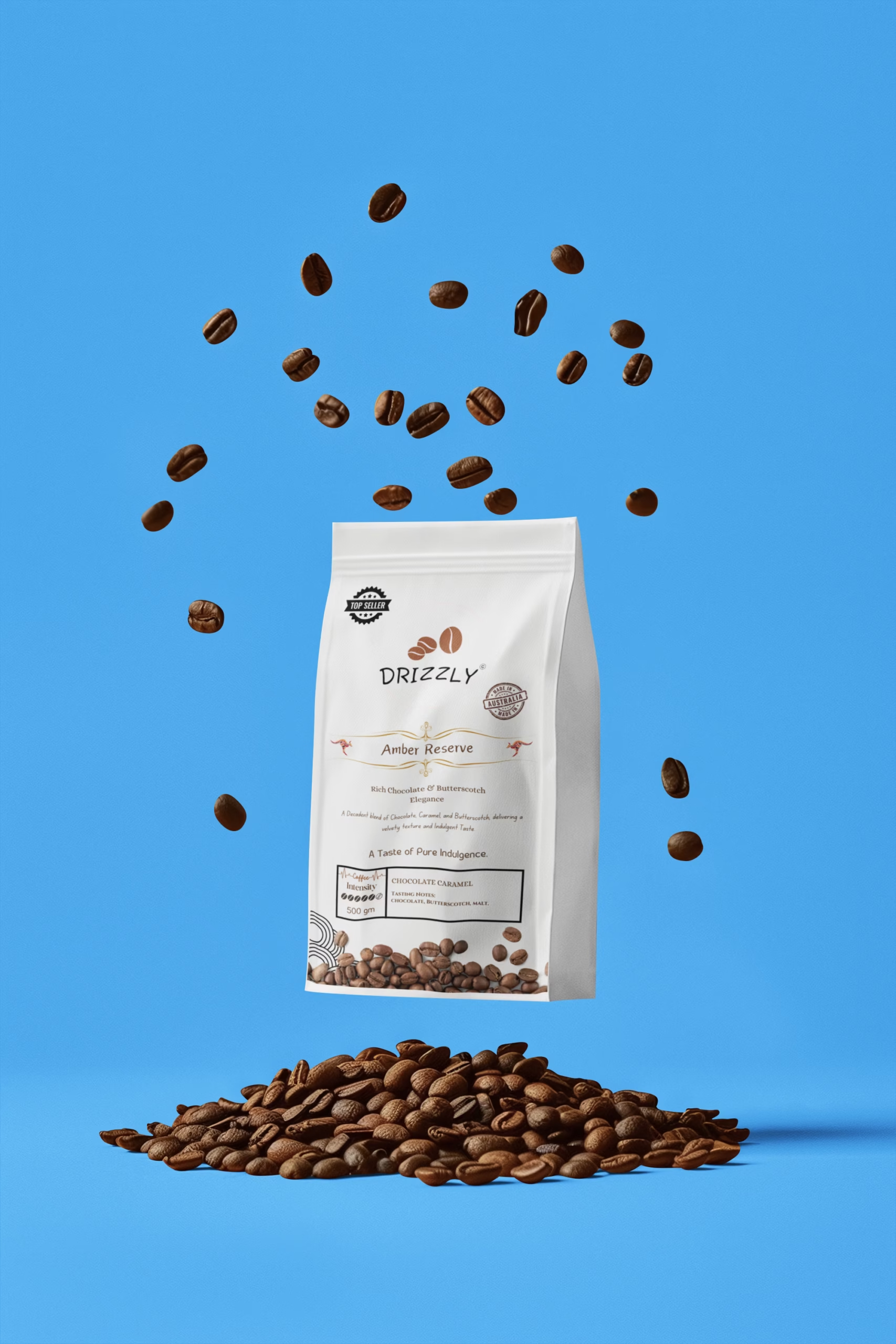
Getting the espresso grind and dose right is fundamental for brewing a great espresso shot. Whether you’re just starting out or looking to refine your home barista skills, understanding these basics can turn your coffee from good to great. In this guide, we’ll explain key concepts, provide practical steps, highlight common mistakes, and offer troubleshooting advice—all from a warm, knowledgeable Aussie coffee perspective.
What is Espresso Grind Size?
Espresso grind size refers to how fine or coarse the coffee grounds are when preparing espresso. It’s a crucial factor because it affects the flow rate of water through the coffee puck and, ultimately, the extraction of flavour compounds.
Why grind size matters:
- Too fine: Water struggles to pass through, leading to over-extraction, bitter flavours, and a slow shot.
- Too coarse: Water passes too quickly, causing under-extraction, sour or weak flavours, and a watery shot.
The goal is to find a grind size that balances extraction for a smooth, rich espresso.
Understanding Grind Consistency
Consistency means each coffee particle is roughly the same size. Uneven grinds cause uneven extraction — some parts over-extracted, others under. A good quality burr grinder is essential for achieving consistent espresso grind size.
What is Coffee Dose?
The dose is the amount of ground coffee used in the portafilter basket for a single or double espresso shot. It’s typically measured in grams and influences espresso strength and extraction.
Typical espresso doses:
- Single shot: 7-9 grams
- Double shot: 14-18 grams (most common in home espresso setups)
Dose affects the concentration of coffee solids in your shot. Too little coffee results in a weak shot, while too much can cause over-extraction and bitterness.
Why Dose Matters
Adjusting dose allows you to tweak the balance between strength and flavour. It also influences the puck density, which impacts water flow during extraction.
How to Dial In Your Espresso Grind and Dose
Dialling in means adjusting grind size and dose to achieve an ideal shot—balanced flavour, good crema, and correct shot time.
- Start with a baseline: Use around 18 grams of coffee for a double shot and a medium-fine grind similar to table salt.
- Tamp evenly: Use a firm and level tamp (about 15-20 kg pressure) to compress the coffee grounds evenly in the portafilter.
- Pull your shot: Aim for a 25-30 ml espresso shot in 25-30 seconds.
- Assess and adjust: If the shot is too fast (less than 20 seconds), grind finer or increase the dose slightly. If it’s too slow (more than 35 seconds), grind coarser or reduce the dose.
- Taste test: Look for balanced sweetness, acidity and bitterness. Adjust grind and dose incrementally based on taste.
Tips for Measuring Dose
- Use a digital kitchen scale for accuracy.
- Weigh coffee before and after grinding to ensure precision.
- Keep notes of your grind and dose settings for consistent results.
Common Mistakes and How to Fix Them
- Using a blade grinder: Produces uneven grind size, leading to inconsistent shots. Invest in a burr grinder for espresso.
- Inconsistent tamping: Leads to channeling where water finds weak spots, causing uneven extraction. Tamp firmly and levelly every time.
- Not adjusting grind or dose: Using the same settings for different beans won’t work as roast levels and bean density vary. Every coffee needs its own dial-in.
- Ignoring shot time: Shot duration is a simple guide to extraction quality. Use it alongside taste to dial in your shot.
Troubleshooting Your Espresso
“If your espresso tastes too bitter or burnt, try a coarser grind and reduce the dose slightly. If it’s sour or weak, go finer and increase dose. Always adjust one variable at a time.”
- Shot too fast (under 20 seconds): Grind finer or dose more coffee.
- Shot too slow (over 35 seconds): Grind coarser or reduce coffee dose.
- Espresso lacks crema: Check freshness of coffee and grind size; stale beans or too coarse grind reduce crema.
- Uneven extraction: Focus on consistent tamping and grind quality.
Practical Recommendations with Drizzly Coffee Blends
Choosing the right coffee blend can complement your espresso grind and dose efforts. For example, the Velvet Reserve – Decadent Dark Chocolate & Caramel Symphony is excellent for espresso machines, with a recommended dose of 20-21 grams and extraction volume around 25-30 ml. Its medium intensity and chocolatey notes make it forgiving and rewarding to dial in.

Another versatile option is the Heritage Blend – Classic Chocolate & Toffee Harmony, which performs well in both milk and black espresso styles, allowing you to experiment with dose and grind to match your taste.
Summary: Key Takeaways for Espresso Grind and Dose
- Grind size controls extraction speed—fine for espresso but not too fine.
- Dose influences strength and extraction balance—usually 14-18g for a double shot.
- Use a consistent tamping technique to avoid channeling.
- Dial in by adjusting grind and dose based on shot time and taste.
- Invest in a quality burr grinder and reliable scale for best results.
- Try blends like Drizzly’s Velvet Reserve or Heritage Blend to practice dialing in.
FAQ
- Q: How often should I adjust my grind size and dose?A: Adjust every time you change coffee beans or notice changes in shot time or taste. Even daily humidity can affect grind size.
- Q: What’s the best way to tamp coffee?A: Use a flat tamper, apply steady downward pressure (around 15-20 kg), and ensure the surface is level and even.
- Q: Can I use the same grind size for espresso and other brew methods?A: No. Espresso requires a much finer grind than methods like drip or French press.
- Q: Why is my espresso shot watery?A: Usually under-extracted due to too coarse grind, too little coffee dose, or too fast shot time.
- Q: Is dose more important than grind size?A: Both are equally important and interdependent. Adjust them together to perfect your shot.
With these basics under your belt, you’re well on your way to crafting espresso shots that sing with balance and flavour. Remember, coffee is a journey—take your time, experiment gently, and enjoy every cup.