
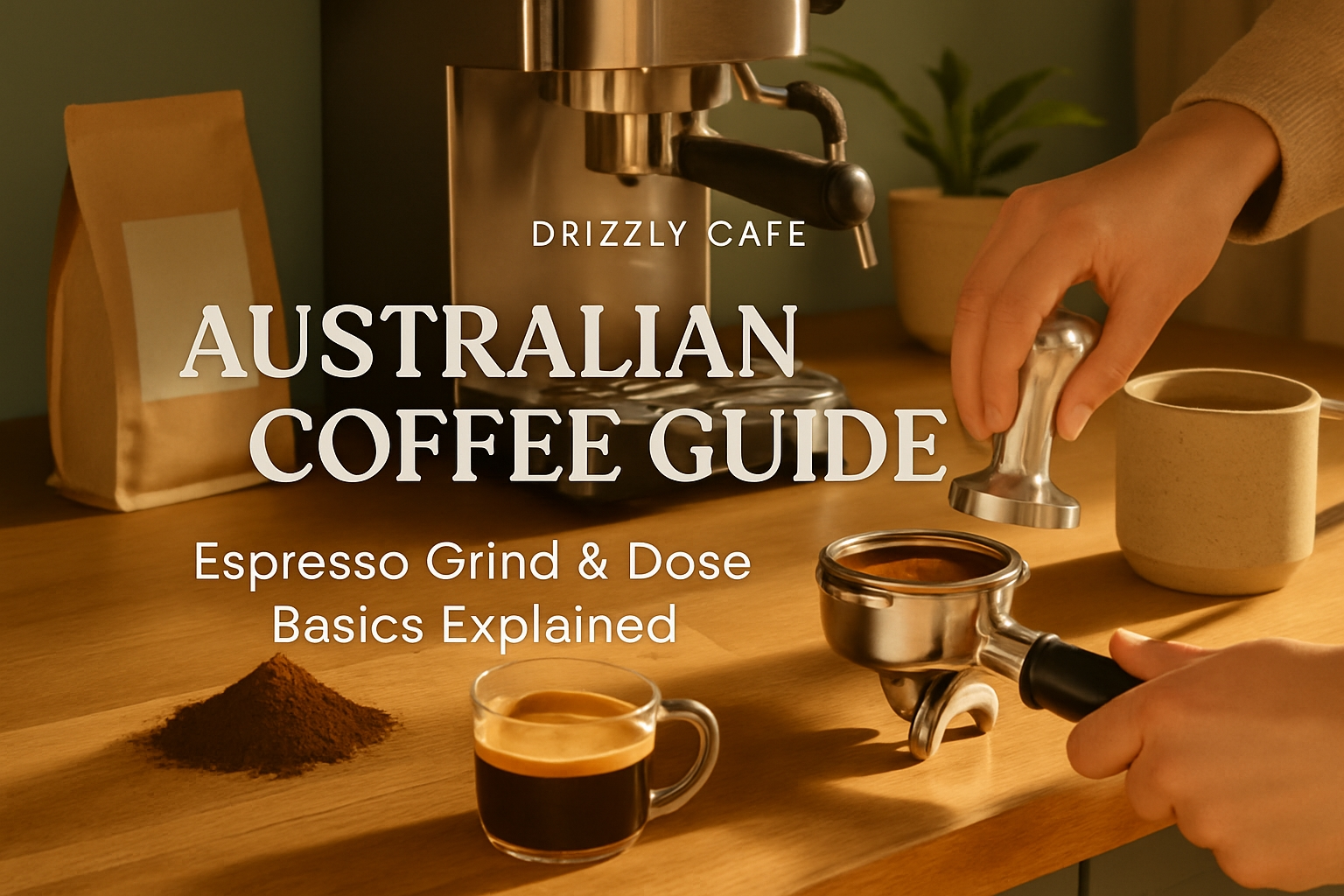
Getting your espresso right starts with two crucial factors: the grind size and the dose of coffee you use. Whether you9re a home barista or just looking to understand what makes a great espresso shot in Australia, mastering these basics will elevate your coffee game. Let9s break down everything you need to know about espresso grind and dose, explained with warmth, clarity, and a no-nonsense Aussie approach.
What is Espresso Grind and Why Does It Matter?
Grind size refers to how fine or coarse your coffee grounds are. For espresso, the grind needs to be very fine, almost like table salt or even finer, because espresso uses high pressure to extract flavours quickly. The grind affects how fast the water passes through the coffee puck, which directly influences taste and extraction quality.
Too coarse a grind means water flows too quickly, under-extracting the coffee and producing a weak, sour shot. Too fine a grind slows the water too much, causing over-extraction, bitterness, and sometimes a clogged espresso machine.
Key Terms to Know
- Extraction: The process of dissolving flavours from the coffee grounds into water.
- Under-extraction: When not enough flavour is pulled out, resulting in sour or thin coffee.
- Over-extraction: When too many bitter compounds are pulled out, making the coffee harsh.
- Dose: The amount of ground coffee used for one espresso shot.
- Yield: The volume of espresso extracted, typically measured in millilitres.
Understanding Dose: How Much Coffee is Enough?
The dose is the weight of coffee grounds you use per shot. Most espresso recipes recommend between 16 to 22 grams of coffee per double shot, depending on your machine, basket size, and personal taste.
Using the right dose is important because it affects extraction time and flavour balance. Too little coffee leads to fast extraction and weak flavours, while too much can cause channeling, uneven extraction, and bitterness.
Practical Steps to Find Your Ideal Dose
- Start with a baseline: Use 18 grams of coffee for a double shot as a standard starting point.
- Tweak based on taste: If your espresso tastes weak, try increasing the dose slightly; if it tastes bitter, try lowering it.
- Measure precisely: Use a digital scale to dose coffee grounds accurately every time.
How to Adjust Grind and Dose Together
Grind size and dose work hand in hand. If you increase the dose, you might need to adjust the grind finer to maintain the same extraction time and flow rate. Conversely, if you coarsen the grind, you might need to increase the dose or tamp pressure to compensate.
Here9s a simple way to troubleshoot:
- Espresso pours too quickly (under 20 seconds): Try a finer grind or increase your dose slightly.
- Espresso pours too slowly (over 30 seconds) or not at all: Coarsen your grind or reduce your dose.
- Espresso tastes sour: Grind finer or increase dose.
- Espresso tastes bitter or harsh: Grind coarser or reduce dose.
Common Mistakes and How to Avoid Them
- Not using a scale: Eyeballing doses leads to inconsistency. Always measure your dose with a scale.
- Ignoring grind changes: Coffee beans lose freshness over time; you may need to adjust grind regularly.
- Over-tamping or under-tamping: Aim for consistent pressure (~15kg) when tamping to ensure even extraction.
- Not cleaning equipment: Old coffee oils affect taste and grind consistency. Clean your grinder and machine regularly.
Tips for Aussie Home Baristas
Here are some handy pointers to help you nail espresso grind and dose at home:
- Invest in a quality burr grinder with fine grind settings. Blade grinders just won9t cut it for espresso.
- Use fresh coffee beans like the Heritage Blend – Classic Chocolate & Toffee Harmony, which is versatile and well balanced for espresso and milk-based drinks.
- Keep a coffee journal noting grind size, dose, extraction time, and taste to track progress.
- Practice patience. Dialling in espresso is a skill that takes time and experimentation.
Troubleshooting Your Espresso Shots
If your espresso isn9t tasting quite right, here9s a quick troubleshooting checklist:
- Shot pulls too fast & tastes weak: Grind finer, increase dose, tamp firmly.
- Shot pulls too slow or clogs: Grind coarser, reduce dose, check for grind clumps.
- Shot tastes sour: Increase dose, grind finer, check water temperature.
- Shot tastes bitter: Reduce dose, grind coarser, ensure proper tamping.
- Shot has uneven flow: Distribute grounds evenly before tamping, clean group head.
Takeaway: Espresso Grind & Dose Essentials
To sum it up, great espresso depends on finding the sweet spot with your grind size and dose. Start with a fine grind and around 18 grams of coffee, then adjust based on taste and extraction time. Measure everything precisely, keep your gear clean, and don9t be afraid to experiment. With a bit of practice, you9ll be pulling delicious espresso shots that showcase your chosen beans perfectly—whether it9s the Heritage Blend or another favourite.
FAQ
- Q: What grind size is best for espresso?A: Espresso requires a very fine grind, similar to granulated sugar or table salt, to ensure proper extraction under pressure.
- Q: How much coffee should I dose for a double espresso?A: Most baristas start with 18 grams of ground coffee for a double shot, adjusting slightly based on taste and basket size.
- Q: How do I know if my espresso is under or over-extracted?A: Under-extracted espresso tastes sour and watery, with a fast shot time. Over-extracted espresso tastes bitter or harsh, with a slow, drippy shot.
- Q: Can I use the same grind size for other brewing methods?A: No, espresso grind is much finer than drip or French press. Using espresso grind for other methods usually results in over-extraction or clogging.
- Q: Why is dosing important for espresso consistency?A: Consistent dosing ensures even extraction and flavour stability shot after shot, so using a scale is highly recommended.