
Ever wondered how some folks can describe coffee flavours like a walk in the park, while others just get overwhelmed? If you want to enjoy your cuppa more and understand what makes each sip special, this guide on Australian coffee tasting notes is for you. We’ll keep it simple and jargon-free, focusing on practical tips and common mistakes to avoid.
What Are Coffee Tasting Notes?
When people talk about coffee tasting notes, they mean the different flavours and aromas you can identify in your coffee. These can range from fruity and sweet to nutty or even spicy. Think of it as the coffee’s personality shining through the brew.
Unlike wine tasting, coffee tasting notes can be easier to pick up once you know what to look for. It’s mostly about paying attention and knowing what to expect.
Common Flavour Categories
- Fruitiness: Citrus, berry, apple, or tropical fruits.
- Sweetness: Caramel, honey, toffee, or sugarcane.
- Nutty: Almonds, hazelnuts, or roasted nuts.
- Chocolate: From mild milk chocolate to dark cocoa.
- Spicy & Earthy: Cloves, cinnamon, pepper, or forest floor.
Why Are Tasting Notes Important?
Understanding tasting notes helps you:
- Choose coffees you’ll enjoy based on flavour, not just brand or roast level.
- Describe what you like to baristas or friends, making ordering easier.
- Appreciate the craft behind your brew, from bean to cup.
How To Taste Coffee Like an Aussie Expert
Here’s a straightforward method to get started:
- Look: Observe the colour and clarity of your coffee. A clear, bright brew often means lighter roast or filtered methods.
- Smell: Take a deep sniff. Try to pick out any familiar aromas like chocolate, caramel, or fruit.
- Slurp: Take a small sip, letting it spread across your tongue. Don’t be shy—slurping helps oxygenate and distribute flavours.
- Identify: Think about what flavours stand out. Is it sweet, bitter, sour, or rich?
- Finish: Notice the aftertaste or “finish.” Does it linger or disappear quickly? Is it smooth or sharp?
Practical Tips
- Use a neutral environment — no strong smells nearby.
- Try tasting coffees side-by-side to compare.
- Take notes or pictures to remember your favourites.
- Don’t rush; enjoy the process.
Common Mistakes When Tasting Coffee
Even the best of us can slip up. Here’s what to watch out for:
- Drinking too hot: Burning your tongue dulls flavour perception. Let coffee cool slightly.
- Expecting all coffees to taste the same: Different beans and roasts offer diverse flavour profiles.
- Using sugary or flavoured additives: These mask the coffee’s natural notes.
- Ignoring grind size or brewing method: These affect taste and clarity.
Troubleshooting Your Coffee Tasting Experience
If your coffee tastes off or you can’t identify flavours, consider these factors:
- Freshness: Old coffee loses flavour. Use beans within 2-3 weeks of roasting.
- Water quality: Tap water with strong chlorine or mineral content can alter taste.
- Grind size: Too coarse or fine affects extraction and flavour balance.
- Brewing temperature: Ideal is around 92-96°C (just off the boil).
Examples of Coffee Tasting Notes with Drizzly Blends
To make these ideas more concrete, here are some examples from Drizzly Cafe’s range:
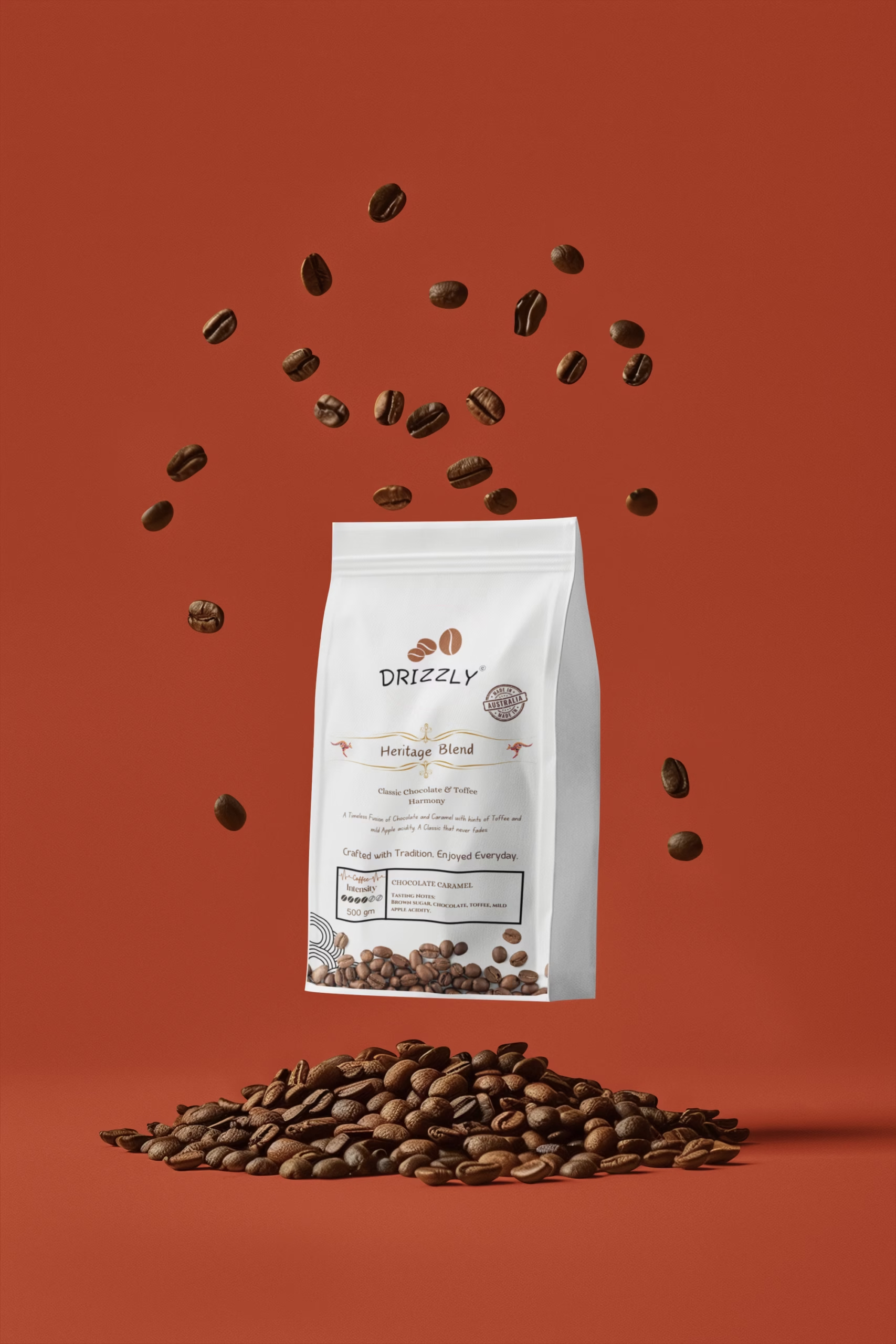

Trying these side-by-side can highlight how roast level and bean choice affect taste. Heritage Blend’s chocolate and toffee notes contrast nicely with the lighter, fruitier Pure Bliss Decaf.
Summary: Your Takeaway on Coffee Tasting Notes
Getting to know your coffee’s tasting notes doesn’t require fancy equipment or a degree in flavour science—just your senses and a bit of curiosity. Remember to:
- Start with simple observations: look, smell, taste, and finish.
- Be patient and practise regularly to sharpen your palate.
- Pay attention to freshness, brewing, and environment.
- Enjoy the journey, not just the destination.
With these steps, you’ll soon be chatting about coffee like a true Aussie coffee lover, appreciating each cup for its unique story and flavour!
FAQ
What is the best way to identify coffee tasting notes?
The best way is to slowly smell and sip your coffee, focusing on what flavours and aromas stand out to you. Practise regularly and try different coffees to build your palate.
Can decaf coffee have tasting notes?
Absolutely! Decaf coffee retains much of its flavour. For example, Drizzly’s Pure Bliss Decaf offers smooth caramel and fruity notes without caffeine.
How does brewing method affect coffee flavours?
Different methods extract flavours differently. For instance, espresso highlights intense, rich notes, while pour-over can bring out brighter, fruitier flavours.
Why does my coffee taste bitter or sour sometimes?
This can be due to over-extraction (brewing too long or too fine grind) causing bitterness, or under-extraction (too short or coarse grind) causing sourness. Adjusting grind size and brew time helps.
Are tasting notes the same for all coffee drinkers?
Not exactly. Personal taste and experience shape what you notice. It’s about what you enjoy and can identify, so trust your own palate.