
What makes a flat white truly special? It’s the harmony of smooth, velvety milk with a rich espresso base, creating a balanced cup that’s creamy yet full of flavour. Choosing the right coffee beans is the cornerstone of this experience. This guide will walk you through everything you need to know about selecting coffee beans perfect for your flat white, explained in a straightforward and friendly Aussie style.
Understanding the Flat White and Its Coffee Base
The flat white originated here in Australia and New Zealand, characterised by a single or double shot of espresso combined with steamed milk that has a fine, velvety microfoam. Unlike a cappuccino, it has less foam and more milk, resulting in a smooth, creamy texture that supports, rather than overwhelms, the espresso flavour.
The coffee bean choice matters because the espresso shot is the heart of the flat white. The beans must produce a well-rounded, intense flavour that stands up to milk without tasting bitter or washed out.
Key Factors When Choosing Coffee Beans for Flat Whites
1. Bean Origin and Variety
Coffee beans come from various regions, each with distinct flavour profiles. For flat whites, many Aussie coffee lovers prefer blends or single origins known for chocolatey, nutty, or caramel notes which complement milk beautifully.
- South American beans (e.g., Brazilian, Colombian) often deliver smooth, nutty, and chocolate undertones.
- East African beans (like Ethiopian) tend to be brighter and fruitier, which can add an exciting dimension but might be more challenging to balance with milk.
- Indonesian beans offer earthy, spicy, and full-bodied flavours that can add depth.
Blends combining these origins often create harmony and complexity, making them popular for milk-based drinks.
2. Roast Profile
The roast level impacts the flavour intensity and how well the coffee harmonises with milk:
- Medium roasts offer a balanced acidity and sweetness, making them versatile for flat whites.
- Darker roasts bring out bolder, chocolatey, and caramel notes that cut through milk nicely but can risk bitterness if over-extracted.
- Lighter roasts highlight floral and fruity notes but might taste too acidic or sharp in milk-heavy drinks.
Flat whites typically benefit from medium to medium-dark roasts.
3. Freshness and Quality
Always choose freshly roasted beans. Coffee begins to lose its aromatic oils and flavour complexity within weeks of roasting. Buy from reputable roasters who provide roast dates, and store your beans in an airtight container away from heat and light.
Specialist Terms Explained
- Microfoam: Steamed milk with fine, velvety bubbles, essential for the flat white’s texture.
- Single Origin: Beans sourced from one location, often showcasing unique flavour notes.
- Blend: A combination of beans from different origins or roast levels designed for balanced flavour.
- Extraction: The process of drawing flavours from coffee grounds during brewing.
- Crema: The golden, creamy layer on top of an espresso shot, indicating freshness and quality.
Practical Steps to Choose and Brew Your Beans for Flat White
- Start with a trusted blend: For example, Drizzly’s Heritage Blend – Classic Chocolate & Toffee Harmony offers a smooth, balanced profile perfect for flat whites, with rich chocolate and caramel notes that marry well with milk.

Heritage Blend – Classic Chocolate & Toffee Harmony by Drizzly - Adjust grind size: Use a fine espresso grind to ensure optimal extraction. Too coarse, and the shot will taste weak; too fine, and it may become bitter.
- Dial-in your espresso shot: Aim for a 25-30 second extraction with about 30ml of espresso for a double shot. This timing helps balance acidity and bitterness.
- Perfect your milk steaming: Create smooth microfoam by introducing air early, then heating milk to about 60-65°C. Avoid large bubbles or overheated milk which can spoil texture and sweetness.
- Pull your shot fresh: Brew your espresso immediately before steaming milk for the freshest flavour.
- Practice makes perfect: Experiment with different beans like Amber Reserve – Rich Chocolate & Butterscotch Elegance for a bolder option with rich chocolate depth that shines through milk.
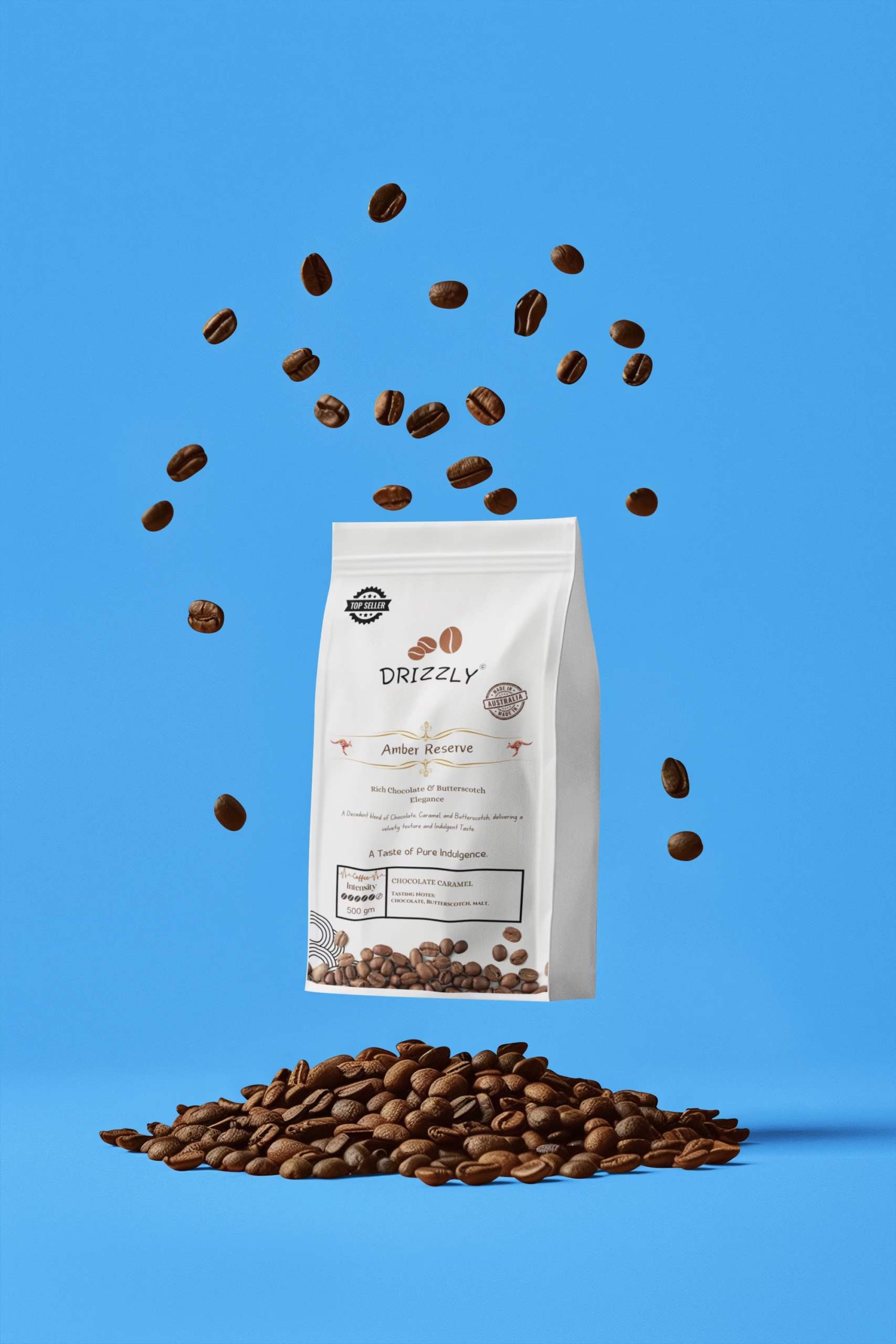
Amber Reserve – Rich Chocolate & Butterscotch Elegance
Common Mistakes and How to Avoid Them
- Using stale beans: Avoid beans older than 3 weeks post-roast. Freshness is key for aroma and flavour.
- Incorrect grind size: Adjust your grinder to match your espresso machine to avoid under or over-extraction.
- Overheating milk: Milk scorches above 70°C, losing sweetness and creating an unpleasant taste.
- Not timing espresso shots: Shots that pull too fast or too slow will taste unbalanced.
- Ignoring bean profile: Using very bright or acidic beans can clash with milk, resulting in a sour flat white.
Troubleshooting Your Flat White
- Flat white tastes bitter: Check if your shots are over-extracted (too slow or too fine grind). Try coarser grind or shorter extraction time.
- Flat white tastes weak or sour: Shots may be under-extracted (too fast or too coarse grind). Adjust grind finer or increase extraction time.
- Milk texture too foamy or bubbly: Practice steaming milk with proper technique to achieve microfoam, not froth.
- Espresso lacks crema: Use fresh beans, proper tamping, and correct water temperature (around 93°C) for good crema.
Concise Takeaway
Choosing the right coffee beans for your flat white boils down to selecting fresh, medium to medium-dark roasted beans with flavour notes that complement milk—think chocolate, caramel, and nutty undertones. Start with a reliable blend, dial in your grind and extraction, and master your milk steaming technique. With patience and practice, you’ll craft flat whites that capture the true Aussie coffee spirit.
FAQ
- Q: Can I use single origin beans for flat whites?A: Yes, but choose ones with balanced flavour profiles. Some bright, fruity origins may not blend well with milk, so experiment and see what suits your palate.
- Q: How important is grind size for espresso?A: Very important. Espresso requires a fine, consistent grind to extract the right flavours and avoid bitterness or sourness.
- Q: What roast level suits flat whites best?A: Medium to medium-dark roasts work best as they provide balanced sweetness and body that stand up to milk.
- Q: How can I tell if my beans are fresh?A: Look for a recent roast date on the packaging and buy from reputable suppliers. Fresh beans have a strong aroma and produce good crema.
- Q: Which Drizzly blends are recommended for flat whites?A: The Heritage Blend and Amber Reserve are excellent choices, offering rich, chocolatey notes that complement milk beautifully.