
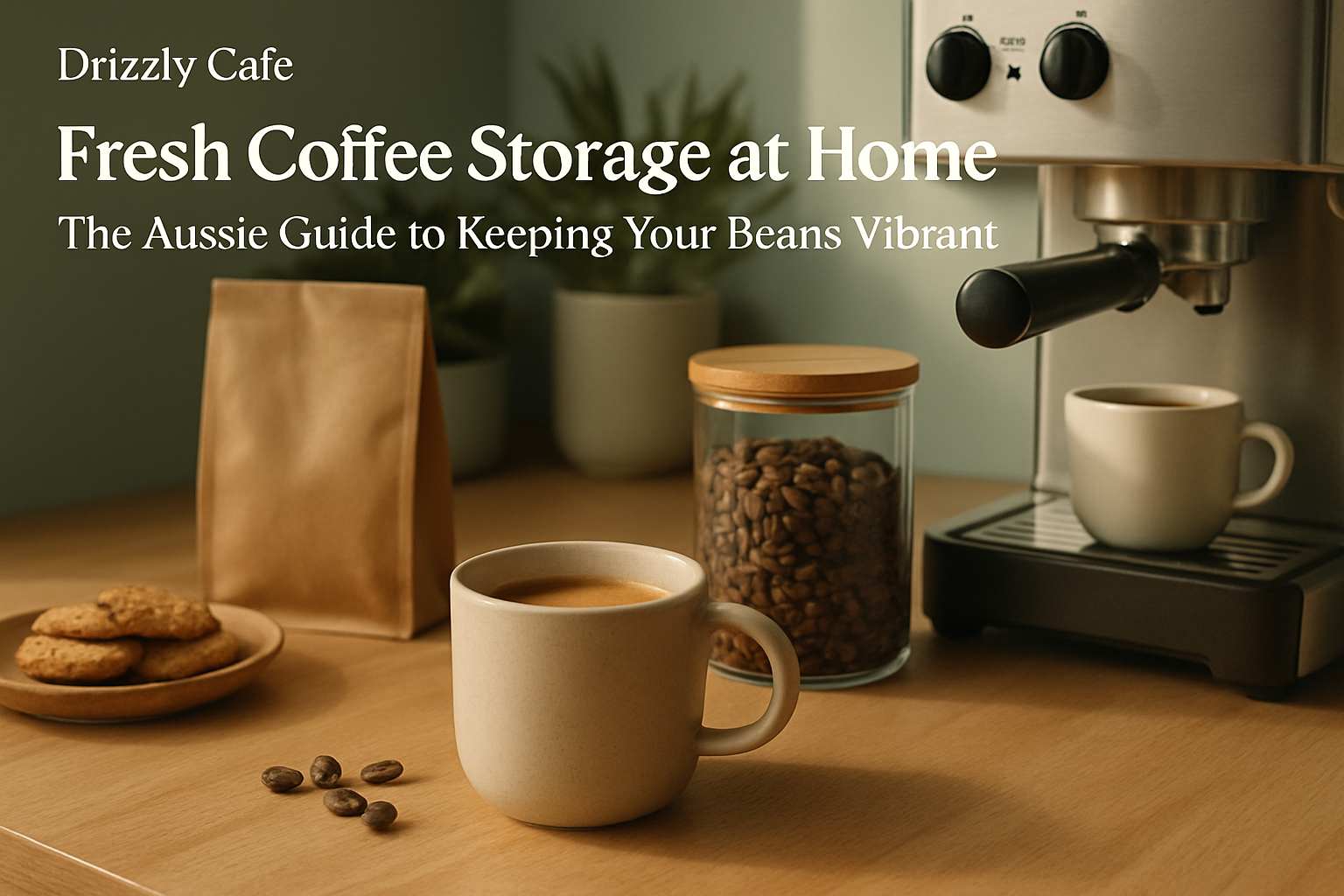
How you store your fresh coffee at home makes all the difference to the flavour and aroma you enjoy in every cup. Whether you’re brewing a smooth flat white or a strong espresso, keeping your coffee beans or grounds fresh is essential to unlocking their full potential. In this comprehensive Aussie guide, we’ll dive into the best ways to store fresh coffee, explain the science behind coffee freshness, highlight common mistakes, and offer practical, approachable advice to help you get the most from your coffee — without any snobbery.
Why Does Coffee Freshness Matter?
Coffee beans are like tiny flavour capsules. Once roasted, they start releasing carbon dioxide and begin to oxidise. This process impacts the delicate oils and aromas that make your brew so enjoyable. If coffee is stored improperly, it can quickly go stale, losing flavour complexity and developing off-notes like bitterness or flatness.
Fresh coffee storage means slowing down these chemical changes to preserve the natural flavours and aromas for as long as possible.
Understanding Coffee Degassing and Oxidation
Freshly roasted coffee beans undergo a process called degassing — the release of carbon dioxide trapped inside after roasting. This is normal and actually a sign of freshness. However, if beans are exposed to oxygen for too long, they oxidise, resulting in stale flavours.
The key takeaway is to store coffee in a way that allows initial degassing without letting in oxygen, moisture, heat, or light, all of which accelerate staling.
Best Practices for Storing Fresh Coffee at Home
1. Choose the Right Container
- Airtight containers are a must. They prevent oxygen from degrading your coffee and lock in aromas.
- Opaque or dark containers are preferable to avoid light exposure, which breaks down coffee oils.
- Containers made of ceramic, stainless steel, or thick glass with airtight seals work well.
2. Keep Coffee Cool but Not Cold
Heat speeds up the staling process. Store your coffee in a cool, dry place away from direct sunlight, ovens, or other heat sources.
A pantry or cupboard away from the stove or dishwasher is ideal.
Avoid refrigeration or freezing unless you have a large amount of coffee that you won’t use quickly. Frequent temperature changes cause condensation, which damages the beans.
3. Store Whole Beans Instead of Grounds
Whole beans retain freshness longer than pre-ground coffee. Grinding increases the surface area exposed to oxygen, which speeds up staling.
Grind only what you need right before brewing to enjoy the freshest cup.
4. Buy Fresh, Small Batches
The fresher your coffee starts, the better. Buy from roasters that provide roast dates and aim to consume coffee within 2–4 weeks of roasting.
Smaller quantities mean you’re less likely to have stale beans sitting around.
5. Understand Coffee Packaging
Many specialty coffees come in bags with one-way valves. These allow carbon dioxide to escape without letting oxygen in, helping maintain freshness.
Once opened, transfer beans into your airtight container to protect from air and moisture.
Common Coffee Storage Mistakes to Avoid
- Leaving coffee in the original bag unsealed: Even if the bag has a valve, it’s not fully airtight once opened.
- Storing coffee near heat or light: Avoid kitchen benches near ovens, microwaves, or sunny windows.
- Refrigerating frequently used coffee: Opening and closing the fridge causes condensation and fluctuating temperatures.
- Grinding coffee too far ahead: Ground coffee loses flavour rapidly, so grind fresh every time.
- Buying in bulk without proper storage: Large amounts should be portioned and frozen only if you won’t use them quickly.
Troubleshooting Your Coffee Freshness
If your coffee tastes flat, bitter, or dull, it might be stale. Here’s how to check and fix storage issues:
- Smell test: Fresh coffee smells fragrant and aromatic. A cardboard or musty smell means stale coffee.
- Visual check: Look for oily surfaces on beans which is normal, but if beans are dry and dusty, they may be old.
- Adjust storage: Move your coffee to a better container or cooler spot.
- Buy smaller batches: Fresher coffee means better flavour.
Practical Tips to Enhance Your Coffee Experience
- Use a dedicated coffee canister: Something like the Amber Reserve – Rich Chocolate & Butterscotch Elegance comes in resealable packaging designed to lock in freshness, perfect for small batch coffee lovers.
- Keep coffee away from strong-smelling foods: Coffee beans absorb odours easily, so store them away from spices or pantry staples.
- Label your coffee: Note roast dates and opening dates on containers to track freshness.
Summary Takeaway
“Store your fresh coffee beans whole in airtight, opaque containers kept in a cool, dry, dark place. Buy small batches with roast dates and grind just before brewing. Avoid refrigeration unless freezing large portions for long-term storage. This approach preserves the vibrant flavours and aromas that make every Australian coffee moment special.”