

If you’ve ever wondered why the same coffee beans can taste so different, the answer often lies in the roast style. In Australia, where coffee culture is vibrant and evolving, understanding how roast profiles shape your cup is key to enjoying coffee your way. This guide unpacks the essentials of coffee roasting, explains how light, medium, and dark roasts influence flavour and body, and offers practical tips for choosing and brewing your perfect cup.
What Is Coffee Roast Style?
Coffee roasting is the process of heating green coffee beans to develop their flavour, aroma, and colour. Roast style refers to the level and duration of roasting, which transforms raw beans into the aromatic brown beans we use to brew coffee. Roast styles range from light to dark, with medium roasts sitting comfortably in between. Each style unlocks different chemical changes inside the bean, resulting in distinct taste profiles.
Key Terms to Know
- Light Roast: Beans roasted to a light brown colour; retain most original bean characteristics.
- Medium Roast: Medium brown beans; balanced acidity and body.
- Dark Roast: Dark brown to almost black beans; pronounced roast flavours and lower acidity.
- First Crack: An audible pop signaling expansion of beans; marks light to medium roast stage.
- Second Crack: A quieter crack signalling darker roast stages.
How Roast Style Changes the Coffee Cup
The roast style alters three main elements of your coffee:
- Flavour: Light roasts highlight origin characteristics—think fruity, floral, and bright notes. Medium roasts balance original flavours with sweeter caramel and nutty tones. Dark roasts emphasise smoky, bitter, and chocolatey notes.
- Acidity: Light roasts have higher acidity, lending brightness and sharpness. Medium roasts soften acidity, offering a smoother profile. Dark roasts have low acidity, resulting in a heavier mouthfeel.
- Body: Refers to the mouthfeel or weight of coffee. Light roasts tend to be lighter-bodied, medium roasts medium-bodied, and dark roasts fuller-bodied and sometimes syrupy.
Light Roasts: Bright and Complex
Light roasts are heated just past the first crack, preserving most of the bean’s inherent flavours from the coffee’s origin. This means you’ll often taste vibrant fruity and floral notes, with a lively acidity that enlivens the palate. These roasts are ideal for pour-over and drip methods where clarity and brightness shine.
Example: The Native Ground – Authentic Nutty Caramel & Citrus Essence is a fantastic organic single origin that displays the delicate citrus sweetness and nutty character typical of a lighter roast.
Medium Roasts: Balanced and Smooth
Medium roasts hit a sweet spot between origin character and the roast profile’s influence. They develop caramelisation, creating smooth sweetness with hints of chocolate, nuts, and mild fruitiness. The acidity softens, making the coffee approachable for many palates. Medium roasts are versatile and work well for espresso, French press, and milk-based drinks.
Example: The Golden Crest – Silky Caramel & Nut Melody blend offers a reliable medium roast profile with rich caramel and nutty notes, perfect for everyday coffee lovers.
Dark Roasts: Bold and Intense
Dark roasts go beyond the second crack, producing a deep brown to almost black bean. They emphasise roast flavours like bittersweet chocolate, smokiness, and sometimes a hint of burnt caramel. Acidity is minimal, and body is full and heavy. Dark roasts are popular for espresso and those who prefer robust, intense coffee.
Example: The Amber Reserve – Rich Chocolate & Butterscotch Elegance blend showcases the complexity and depth of a bold dark roast.

Practical Steps to Choose and Brew Roast Styles
- Identify Your Flavour Preference: If you like bright, fruity notes, opt for light roasts. For balanced sweetness and smoothness, medium roasts are ideal. If you prefer bold, chocolatey coffee, try dark roasts.
- Choose a Suitable Brewing Method: Light roasts suit pour-over and drip filters; medium roasts work well with espresso and French press; dark roasts shine in espresso or moka pot.
- Adjust Grind Size and Brew Time: Lighter roasts usually require a finer grind and longer brew time to extract subtle flavours; darker roasts extract faster due to their brittleness.
- Freshness Matters: Use freshly roasted beans within 2 to 3 weeks for best taste. Store beans in an airtight container away from light and moisture.
Common Mistakes and Troubleshooting
- Too Bitter or Burnt: Often caused by over-roasted beans or brewing dark roasts too hot. Try lowering water temperature to 90-93°C and reduce brew time.
- Sour or Under-extracted: Usually linked to light roasts brewed with too coarse a grind or too fast. Use a finer grind and increase brew time slightly.
- Flat or Weak Flavour: Could be stale beans or incorrect grind size. Always use fresh beans and adjust grind accordingly.
Concise Takeaway
Understanding coffee roast styles empowers you to tailor your brew to your taste. Light roasts deliver bright, fruity complexity; medium roasts balance sweetness and acidity; dark roasts offer bold, intense flavours. Match your roast choice with your brewing method and adjust grind and temperature to unlock the best cup every time.
Frequently Asked Questions
- Q: Can I use dark roast coffee for pour-over brewing?A: Yes, but dark roasts can taste bitter or smoky if brewed too hot or quickly. Adjust water temperature lower (around 90°C) and control brew time to avoid over-extraction.
- Q: How do I know if my coffee is over or under-roasted?A: Over-roasted beans are very dark, oily, and taste burnt or bitter. Under-roasted beans are pale and taste grassy or sour. Choose roast levels that suit your taste preferences.
- Q: Does roast level affect caffeine content?A: Roast level slightly affects caffeine, but differences are minimal. Light roasts retain marginally more caffeine by volume, but brewing method impacts caffeine extraction more.
- Q: How long should coffee beans be rested after roasting?A: Freshly roasted coffee benefits from resting for 24 to 72 hours to allow CO2 to dissipate, improving flavour clarity.
- Q: Are medium roasts good for milk-based drinks?A: Absolutely. Medium roasts with balanced sweetness and acidity complement milk well, making them a popular choice for lattes and flat whites.
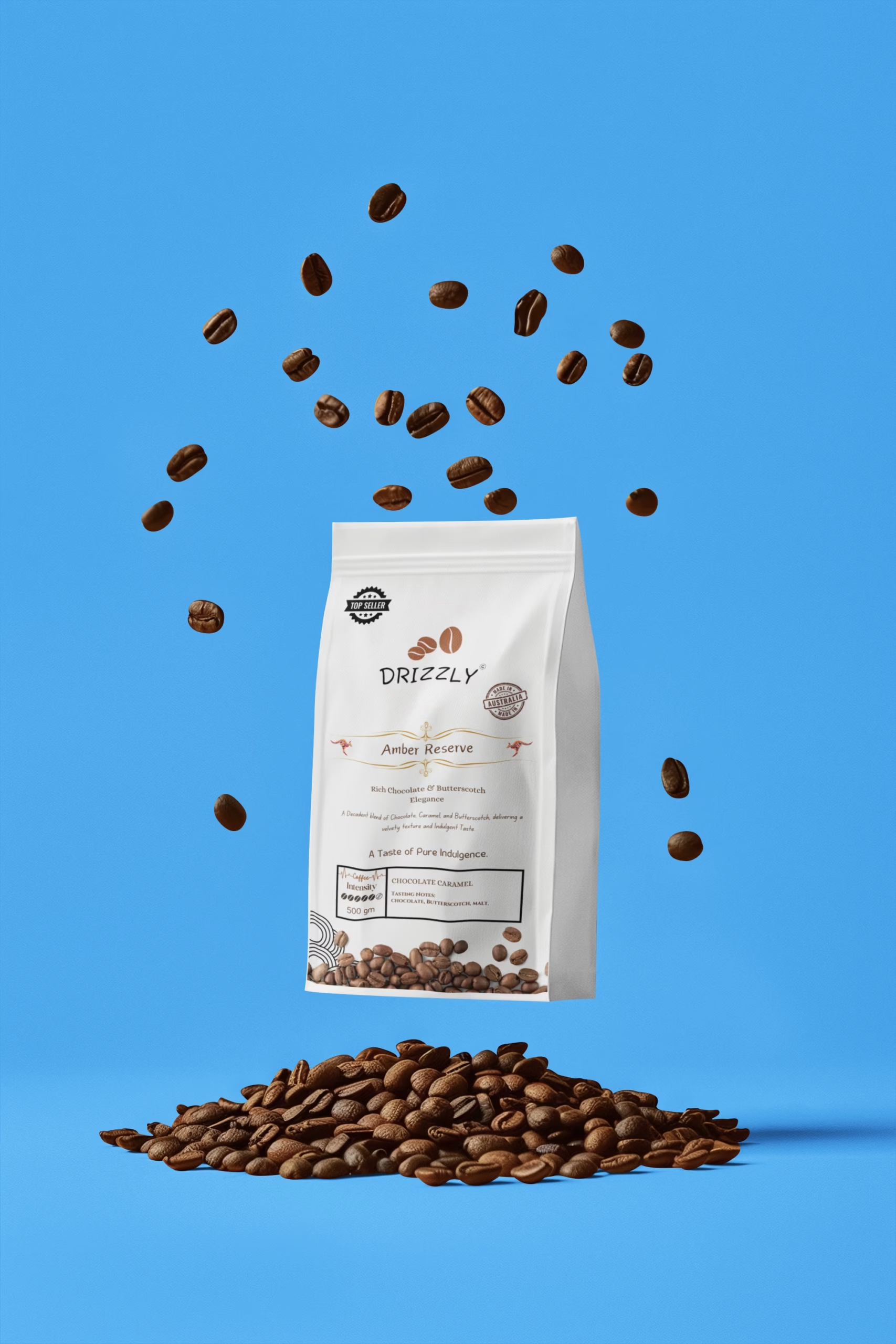
To explore more coffees tailored to your roast preference, check out Drizzly’s carefully curated blends like the Summit Blend – Creamy Caramel & Citrus for a smooth medium roast or the Pure Bliss Decaf – Smooth Caramel & Fruity Delight if you’re after a decaf option without compromising flavour.