Whether you’re a seasoned home barista or just getting started with your daily cuppa, understanding how roast style changes your coffee can dramatically improve your brew. In Australia, where coffee culture thrives from Melbourne’s laneways to Sydney’s beachside cafes, appreciating the nuances of roasting helps you savour every sip. This guide explores how light, medium, and dark roasts influence the cup, explains essential roasting terms, and offers practical advice so you can enjoy coffee that suits your taste perfectly.
What Is Coffee Roasting?
Coffee roasting is the process of heating green coffee beans to develop flavour, aroma, and colour. Raw beans have little aroma or taste; roasting transforms them through complex chemical reactions, including the Maillard reaction and caramelisation. These changes create the distinctive characteristics we associate with coffee.
The degree of roast—how long and hot the beans are roasted—directly affects the coffee’s flavour profile, acidity, body, and aroma. Roasting styles generally fall into three categories:
- Light Roast
- Medium Roast
- Dark Roast
Light Roast: Bright, Fruity, and Complex
Light roast coffee is roasted for the shortest time, usually until the first crack (an audible popping sound) occurs. The beans appear light brown with no oil on the surface.
Key characteristics:
- Flavour: Bright acidity, pronounced fruitiness, floral and citrus notes.
- Body: Light and tea-like.
- Aroma: Fresh, vibrant, often sweet.
Because the roasting process is minimal, the unique origin flavours of the coffee beans shine through. Australian coffee lovers who enjoy a clean, lively cup often prefer light roasts.
Common mistakes and tips: Light roasts can taste sour or grassy if under-roasted. To avoid this, look for beans roasted just past the first crack and store them properly to preserve freshness.
Practical brewing advice for light roasts
- Use a brew method that highlights acidity and clarity, like pour-over or Aeropress.
- Grind size should be medium-fine to extract balanced flavours.
- Water temperature around 90-94°C preserves delicate notes.
Medium Roast: Balanced and Approachable
Medium roasts are the most versatile and popular style in Australia. Beans are roasted slightly longer than light roasts, developing a richer brown colour with a bit more oil visible on the surface.
Key characteristics:
- Flavour: Balanced acidity and sweetness, caramel and nutty notes, with some fruitiness.
- Body: Medium-bodied, smooth.
- Aroma: Warm, inviting, often with chocolate or toffee hints.
This roast style works well for both black coffee and milk-based drinks, making it a staple for many Australian cafes and homes.
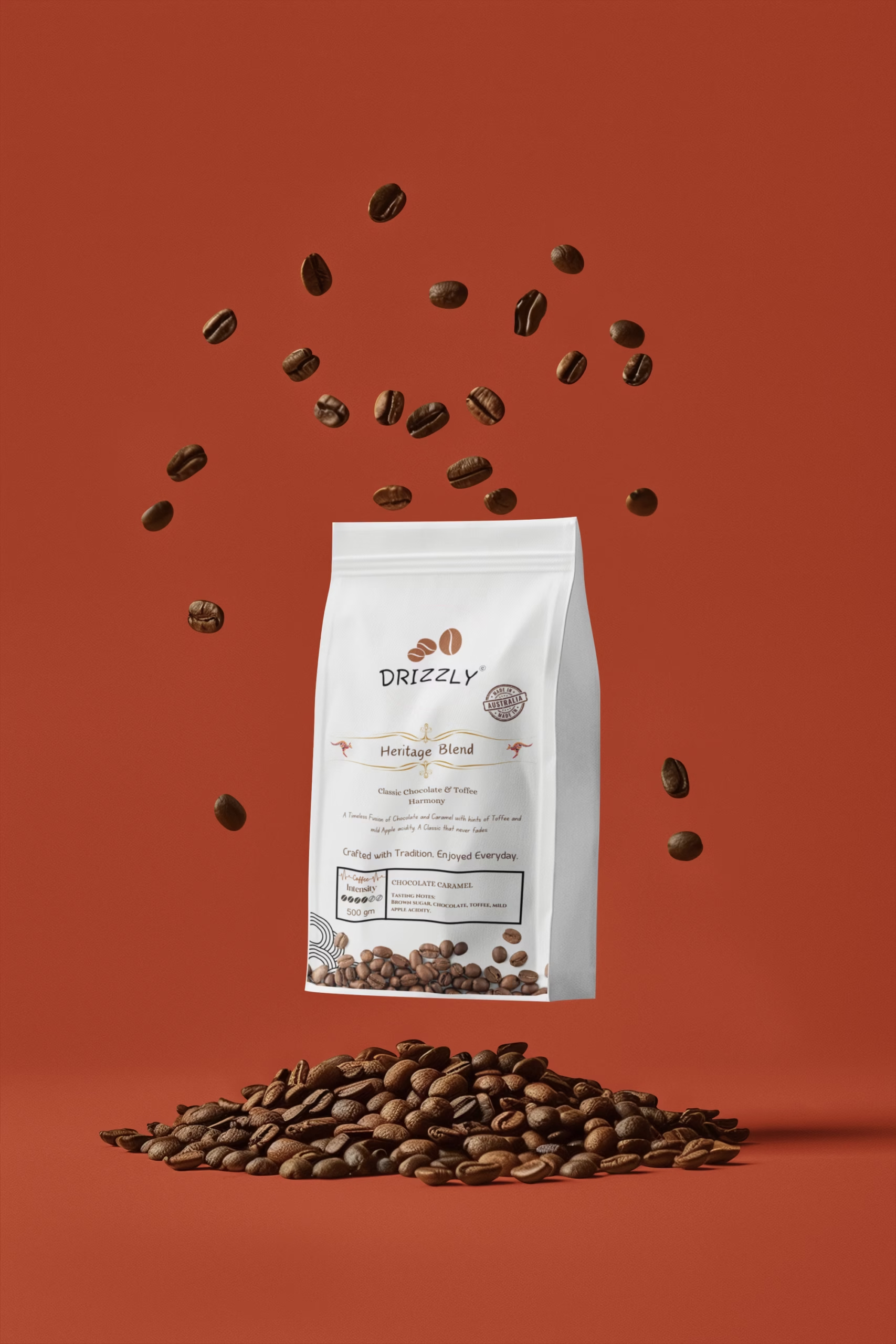
Example: The Heritage Blend – Classic Chocolate & Toffee Harmony is a versatile medium roast that balances rich chocolate and caramel notes with a subtle fruitiness, ideal for drinking black or with milk.
Common pitfalls and how to avoid them
- Over-roasting medium beans can lead to bitterness; watch roast dates and buy fresh.
- Store beans in airtight containers away from light and heat to maintain flavour.
Brewing tips for medium roasts
- Espresso machines, Aeropress, and French press all complement medium roasts well.
- Grind size will vary with your brew method but generally medium to fine.
- Water temperature around 92-96°C optimises sweetness and body.
Dark Roast: Bold, Intense, and Smoky
Dark roasts involve longer roasting times, often beyond the second crack. Beans turn dark brown to almost black, with a shiny oily surface.
Key characteristics:
- Flavour: Robust, smoky, with bittersweet chocolate, caramel, and sometimes spicy or earthy notes.
- Body: Full-bodied, heavy.
- Aroma: Intense, with toasted, burnt sugar hints.
While some may find dark roasts overpowering, they are beloved for their bold flavours and work especially well in espresso blends and milk-based drinks.
Example: The Velvet Reserve – Decadent Dark Chocolate & Caramel Symphony demonstrates a well-crafted dark roast profile with deep chocolate, caramel, and a hint of spice, perfect for espresso and stovetop brewing.
Common mistakes with dark roasts
- Over-roasting can lead to burnt or ashy flavours; choose blends roasted by reputable roasters.
- Dark roasts can lose origin character, so freshness is key to avoid stale or flat coffee.
Brewing dark roasts
- Espresso, Moka pot, and French press highlight the boldness and body.
- Use a slightly coarser grind to prevent over-extraction and bitterness.
- Water temperature can be slightly lower (90-94°C) to avoid burnt flavours.
How to Choose the Right Roast for You
- Identify your flavour preferences: Do you enjoy bright, fruity coffee or prefer deep, chocolatey notes?
- Consider your brew method: Some roasts work better with certain equipment.
- Experiment: Try small amounts of different roast styles to discover your personal favourite.
Remember, there’s no right or wrong roast — it’s about what tastes best to you.
Understanding Roast Levels and Terminology
- First Crack: The initial audible cracking sound during roasting, signalling light roast completion.
- Second Crack: A second, more intense crack indicating darker roasts.
- City Roast: Another term for light roast.
- Full City Roast: Medium-dark roast, just before second crack.
- French Roast: A dark roast with shiny, oily beans.
Common Troubleshooting Tips
- Sour or grassy taste: Coffee may be under-roasted or under-extracted. Try a slightly finer grind or longer brewing time.
- Bitter or burnt taste: Over-roasted beans or over-extraction. Use fresher beans or coarser grind.
- Flat or dull cup: Coffee may be stale; grind just before brewing and store beans properly.
Takeaway: Roast Style Shapes Your Coffee Experience
From the bright vibrancy of a light roast to the deep indulgence of a dark roast, the roast style has a profound effect on your coffee cup. Understanding these differences empowers you to select beans and brewing methods that suit your palate. Whether you prefer the approachable balance of a medium roast like the Heritage Blend or the rich intensity of the Velvet Reserve, knowledge is the key to coffee enjoyment. Happy brewing!