When it comes to coffee, the roast style is one of the biggest game changers in your cup. Whether you’re a flat white fan or a pour-over devotee, understanding how roast levels influence flavour, aroma, acidity, and body will help you make better choices and enjoy your coffee more. This guide from an experienced Australian coffee expert will walk you through key roast styles, what they mean for your brew, and practical advice to get the most out of your beans.
What Is Coffee Roast Style?
Coffee roasting is the process of heating green coffee beans to develop flavour and aroma. The roast style refers to how long and how hot beans are roasted, ranging from light to very dark. Roast style profoundly changes the chemical composition of the beans, unlocking different taste profiles and textures.
In Australia, we often talk about light, medium, and dark roasts, but it’s more of a spectrum than strict categories:
- Light roasts are roasted for a shorter time, preserving more of the bean’s original flavours and acidity.
- Medium roasts balance acidity and body, developing sweeter caramel and nutty notes.
- Dark roasts are roasted longer, producing bold, bitter, smoky flavours with less acidity and a heavier body.
How Roast Styles Affect Your Coffee Cup
Flavour and Aroma
Light roasts highlight the origin characteristics of the coffee. Think bright, fruity, floral, and sometimes citrusy notes. These beans retain more of their natural acids and sugars, giving a more complex, vibrant cup.
Medium roasts develop caramelisation and Maillard reactions—chemical processes that create sweet, nutty, and chocolatey flavours. The acidity mellows out, making the coffee rounder and smoother. This roast style is very popular in Australian cafes for its balanced profile.
Dark roasts produce deep, intense flavours like dark chocolate, toasted nuts, and smokiness. The original bean flavours are overshadowed by the roast character. These coffees feel heavier and can have a slightly bitter finish.
Acidity and Body
Acidity is a desirable brightness that lifts the flavour. Light roasts have higher acidity, medium roasts moderate acidity, and dark roasts have low acidity.
Body refers to the weight and texture of the coffee on your palate. Dark roasts tend to have a fuller, heavier body, while light roasts feel lighter and tea-like.
Caffeine Content Myth
Contrary to popular belief, light roasts actually contain slightly more caffeine by volume than dark roasts because caffeine breaks down marginally with longer roasting. However, the difference is small and won’t impact your buzz significantly.
Practical Steps to Choose Your Roast Style
- Identify your flavour preferences: Do you like bright and fruity (light), balanced and smooth (medium), or bold and intense (dark)?
- Consider your brewing method: Light roasts shine in pour-over and drip coffee, medium roasts suit espresso and filter, and dark roasts excel in milk-based drinks like flat whites.
- Start with a versatile medium roast blend: For example, Drizzly Cafe’s Golden Crest – Silky Caramel & Nut Melody offers a smooth balance of caramel, nutty, and fruity notes, perfect for espresso or French press.
- Experiment and take notes: Try different roasts side-by-side and note differences in aroma, flavour, acidity, and body.
- Adjust grind size and brew parameters: Darker roasts extract more easily, so grind finer and reduce brew time. Lighter roasts need coarser grind and longer brew.
Common Mistakes and Troubleshooting
- Over-extracting dark roasts: Dark beans extract quickly. If your coffee tastes bitter or burnt, try a coarser grind or shorter brew time.
- Under-extracting light roasts: If your light roast coffee tastes sour or weak, try a finer grind or longer brew time to extract more flavour.
- Using the same grind for all roasts: Adjust grind size to match roast style and brewing method.
- Expecting all roasts to taste the same: Embrace the unique flavour profiles of each roast to find your favourite.
Quotable Explanation
“Roast style is the master key to unlocking coffee’s diverse flavours—from the bright, zesty notes of a light roast to the rich, bittersweet depth of a dark roast. Understanding this helps you brew a cup that truly suits your taste.”
Drizzly Coffee Recommendations by Roast Style

Summary Takeaway
Roast style profoundly shapes your coffee’s character. Light roasts offer vibrant, fruity brightness, medium roasts bring balanced sweetness and body, and dark roasts deliver bold, rich intensity. By understanding these differences and adjusting brewing techniques accordingly, you can unlock the full potential of your coffee beans. Start with a roast style that matches your taste, experiment thoughtfully, and enjoy the nuanced flavours in every cup.
FAQ
- Q: Does a darker roast mean more caffeine?A: Not necessarily. Light roasts retain slightly more caffeine than dark roasts by volume, but the difference is minimal and unlikely to affect your caffeine intake noticeably.
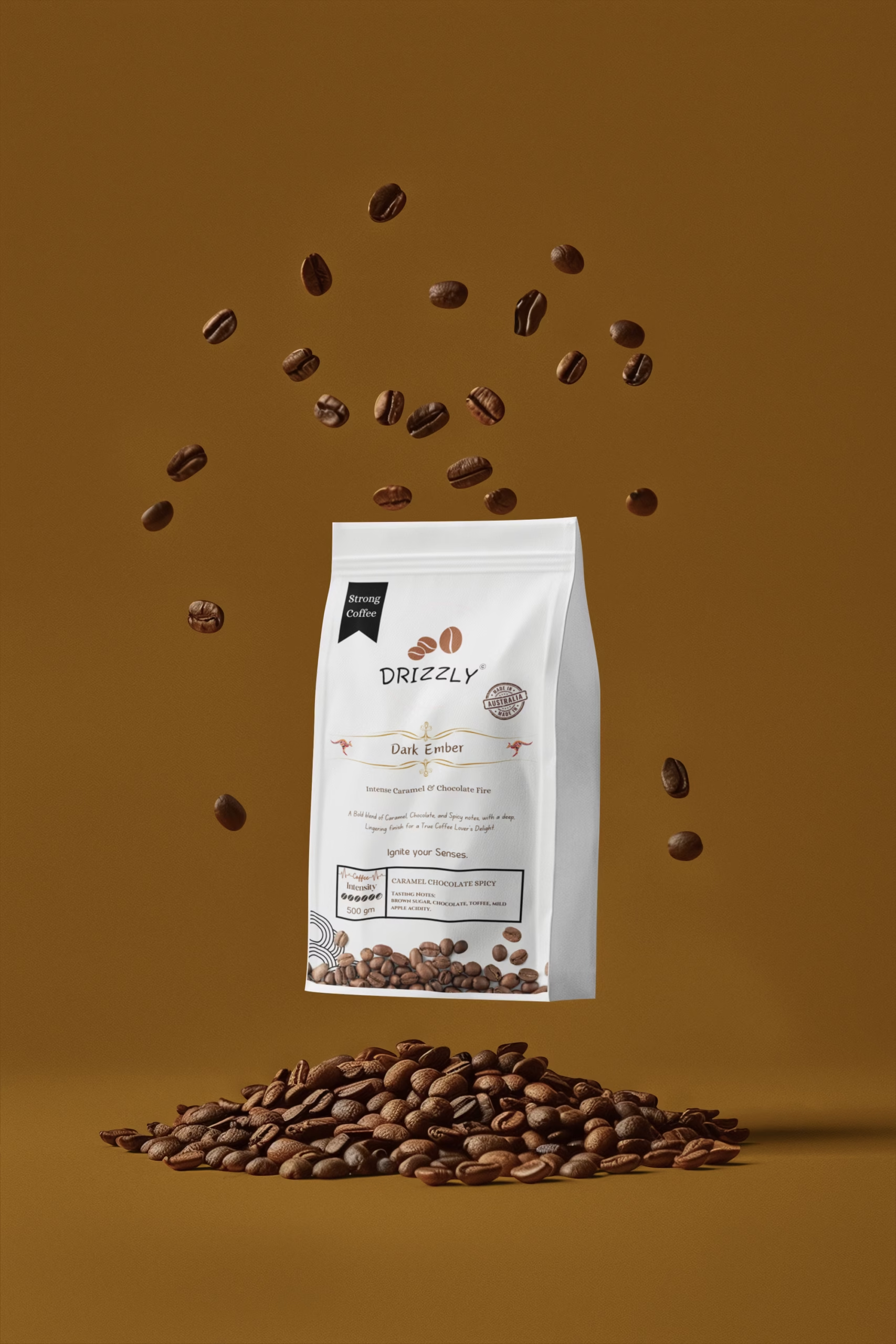
- Q: Which roast style is best for espresso?A: Medium roasts are typically preferred for espresso because they balance acidity and body well. However, many Australians enjoy dark roasts like Dark Ember for their boldness in milk-based drinks.
- Q: How does roast style affect grind size?A: Dark roasts extract faster, so you generally use a coarser grind. Light roasts require a finer grind and longer brew to extract their delicate flavours.
- Q: Can I switch between roast styles in the same coffee machine?A: Yes, but you may need to adjust grind size, dose, and brew time to get the best flavour from each roast style.
- Q: What’s the best way to store roasted coffee?A: Store coffee in an airtight container away from light, heat, and moisture. Use it within 2-3 weeks of roasting for optimal freshness.