
Understanding how roast style shapes the flavour and aroma of your coffee is one of the most rewarding skills any coffee lover can develop. Whether you prefer a bright, lively cup or a deep, rich brew, knowing how light, medium, and dark roasts influence the taste will help you appreciate every sip and choose coffees that suit your palate.
What is Roast Style?
Roast style refers to the level to which green coffee beans are heated during roasting. The roasting process triggers chemical changes inside the bean, developing flavour, aroma, acidity, body, and sweetness. Roast levels generally fall into three categories:
- Light Roast
- Medium Roast
- Dark Roast
Each roast level highlights different characteristics of the coffee, and understanding these will help you tailor your brewing and selection.
Light Roast: Bright, Fruity, and Complex
Light roasts are roasted for the shortest time, usually ending just after the first crack (the first audible pop during roasting). The beans retain more of their original green coffee characteristics, offering vibrant acidity, floral or fruity notes, and a lighter body.
Flavour Profile: Expect citrus, berry, floral, and herbal notes with a clean finish. The acidity is often described as bright or crisp.
Common Uses: Light roasts are great for pour-over, Aeropress, or filter methods that highlight subtle flavours. They’re less suited to milk-based drinks because their delicate notes can get overwhelmed.
Practical tip: Try the Native Ground – Authentic Nutty Caramel & Citrus Essence, a 100% organic single origin Peruvian coffee with citrus sweetness and nutty undertones. Its light roast preserves complexity and purity, ideal for black coffee lovers.
Medium Roast: Balanced and Versatile
Medium roasts are roasted slightly longer, typically through the first crack and just before the second crack. This level balances the bean’s inherent origin flavours with the sweetness and body developed during roasting.
Flavour Profile: Expect caramel, chocolate, nutty notes with moderate acidity and a smoother body. This roast is often sweet, rounded, and approachable.
Common Uses: Medium roasts are incredibly versatile, working well as espresso, drip coffee, or in milk-based drinks like flat whites and lattes.
Practical tip: Consider the Golden Crest – Silky Caramel & Nut Melody, a medium roast crafted from Brazilian, Honduran, PNG, and Ugandan beans. It’s smooth and strong with caramel and nutty notes, perfect for espresso or French press.
Dark Roast: Bold, Intense, and Smoky
Dark roasts are roasted well past the first crack and often into or beyond the second crack, causing the beans to darken and oils to rise to the surface. The flavour changes to a bolder, heavier profile with less acidity.
Flavour Profile: Expect bittersweet chocolate, smoky, roasted, and sometimes burnt sugar notes. The body is fuller, and acidity is muted.
Common Uses: Dark roasts cut through milk well, making them popular for strong espresso blends and robust milk drinks. They’re also favoured by those seeking intense flavour and strength.
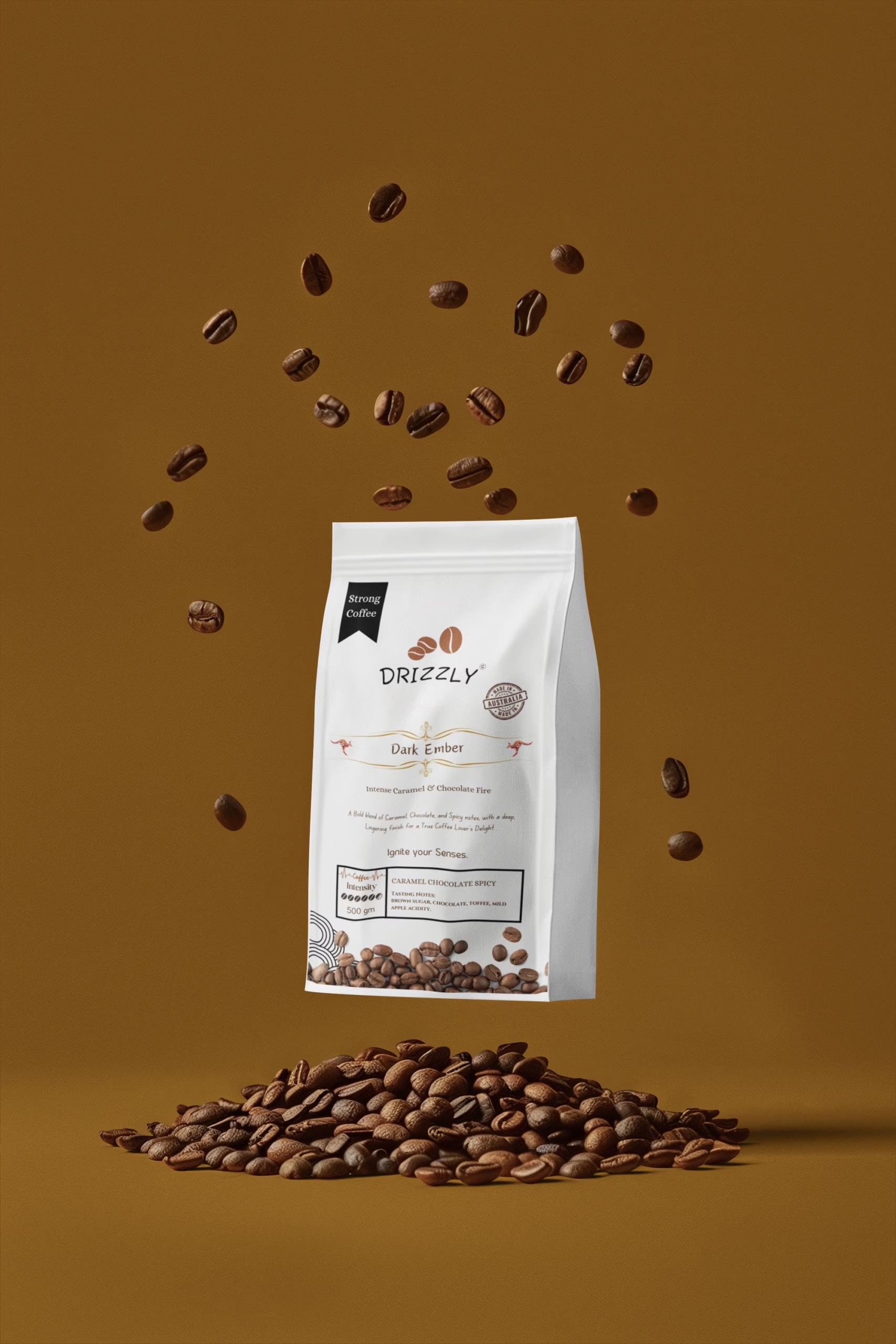
Practical tip: Try the Dark Ember – Intense Caramel & Chocolate Fire, our darkest blend designed to cut through milk with uncompromising strength and unforgettable flavour.
The Science Behind Roast Flavours
Roasting initiates chemical reactions like the Maillard reaction and caramelisation that develop complex flavour compounds. As roasting progresses:
- Acidity decreases—lighter roasts have more perceived brightness.
- Body increases—dark roasts feel heavier and richer.
- Sugars caramelise—sweetness develops, especially in medium roasts.
- Bitterness rises—dark roasts gain smoky, bitter notes.
The balance of these factors determines your coffee’s final character.
Common Mistakes When Choosing or Brewing Roast Styles
- Expecting every coffee to taste the same. Each roast level offers distinct flavours; appreciate them rather than comparing directly.
- Using light roasts for milk-heavy drinks. Light roasts’ subtle flavours often get lost in milk.
- Over-roasting delicate beans. Some origins shine best as light or medium roasts; dark roasting can mask their unique traits.
- Incorrect grind size for the roast. Dark roasts are more brittle and can over-extract quickly if ground too fine.
Troubleshooting Roast Style and Brewing
- Too sour or acidic coffee: You may be under-extracting a light roast. Try a finer grind, longer brew time, or increase water temperature slightly.
- Bitter or burnt taste: Dark roasts easily become over-extracted. Use a coarser grind, shorter brew time, or cooler water.
- Flat or dull flavour: Could be stale beans or over-roasted coffee. Always check roast date and store beans airtight away from light and heat.
- Milk overpowering the coffee: Use a darker roast or stronger blend to balance milk’s creaminess.
Summary: What Roast Style Suits You?
- If you love bright, fruity, and complex flavours: Go for light roasts like Native Ground.
- If you want balanced, versatile coffee: Medium roasts such as Golden Crest offer harmony and sweetness.
- If you prefer bold, intense coffee that stands up to milk: Dark roasts like Dark Ember are your go-to.

FAQ
- Q: How does roast date affect flavour?A: Coffee tastes best 4 to 28 days after roasting when flavours peak. Freshness declines after that, dulling aroma and complexity.
- Q: Can I use the same grind size for all roast styles?A: No, lighter roasts often need a finer grind; dark roasts are brittle and extract faster, so a slightly coarser grind helps avoid bitterness.
- Q: Is a darker roast always stronger in caffeine?A: Not necessarily. Light roasts retain slightly more caffeine by volume, but dark roasts’ stronger flavour can feel more intense.
- Q: Which roast is best for espresso?A: Medium and dark roasts are preferred for espresso because they produce a rich, balanced crema and cut through milk well.
- Q: How should I store roasted coffee beans?A: Keep beans in an airtight container in a cool, dark place away from moisture and heat to preserve freshness.