
Whether you prefer a silky flat white, a bold espresso, or a smooth pour-over, the style of coffee roast plays a pivotal role in shaping your cup’s character. In Australia’s vibrant coffee culture, understanding roast styles can elevate your daily brew and help you choose beans that truly match your taste preferences.
What Is Coffee Roast Style?
Coffee roast style refers to how long and at what temperature green coffee beans are roasted. This process transforms the raw beans into the aromatic, flavourful coffee we enjoy. The roast level affects the beans’ colour, texture, acidity, bitterness, and overall flavour profile.
Roast styles generally fall into three main categories:
- Light Roast
- Medium Roast
- Dark Roast
How Roast Style Changes Your Coffee’s Flavour and Body
Light Roast: Bright, Complex & Fruity
Light roasts are roasted for the shortest time, just until the first crack (a popping sound during roasting). The beans are light brown, dry, and retain much of their original green bean character.
Flavour profile: Pronounced acidity, floral or fruity notes, and complex nuances like citrus, berry, or herbal flavours. Light roasts highlight the coffee’s origin, so single-origin beans shine here.
Body: Light-bodied and crisp, with a clean finish.
Practical tip: Light roasts often work well with pour-over or Aeropress brewing to preserve delicate flavours.
Medium Roast: Balanced & Versatile
Medium roasts develop beyond the first crack but stop short of the second crack. The beans are medium brown with a slight sheen of oil.
Flavour profile: Balanced acidity and sweetness with notes like caramel, nuts, or chocolate. It’s the most popular roast style for everyday drinking.
Body: Medium body with a smooth mouthfeel.
Practical tip: Medium roast coffees like Golden Crest – Silky Caramel & Nut Melody excel in espresso machines, French press, and drip brewers.
Dark Roast: Bold, Smoky & Intense
Dark roasts are taken beyond the second crack, resulting in dark brown to almost black beans with an oily surface.
Flavour profile: Roasty, smoky, sometimes bittersweet with notes of chocolate, caramel, and spice. The origin characteristics are subdued, replaced by the roast’s boldness.
Body: Full-bodied, heavy, and lingering.
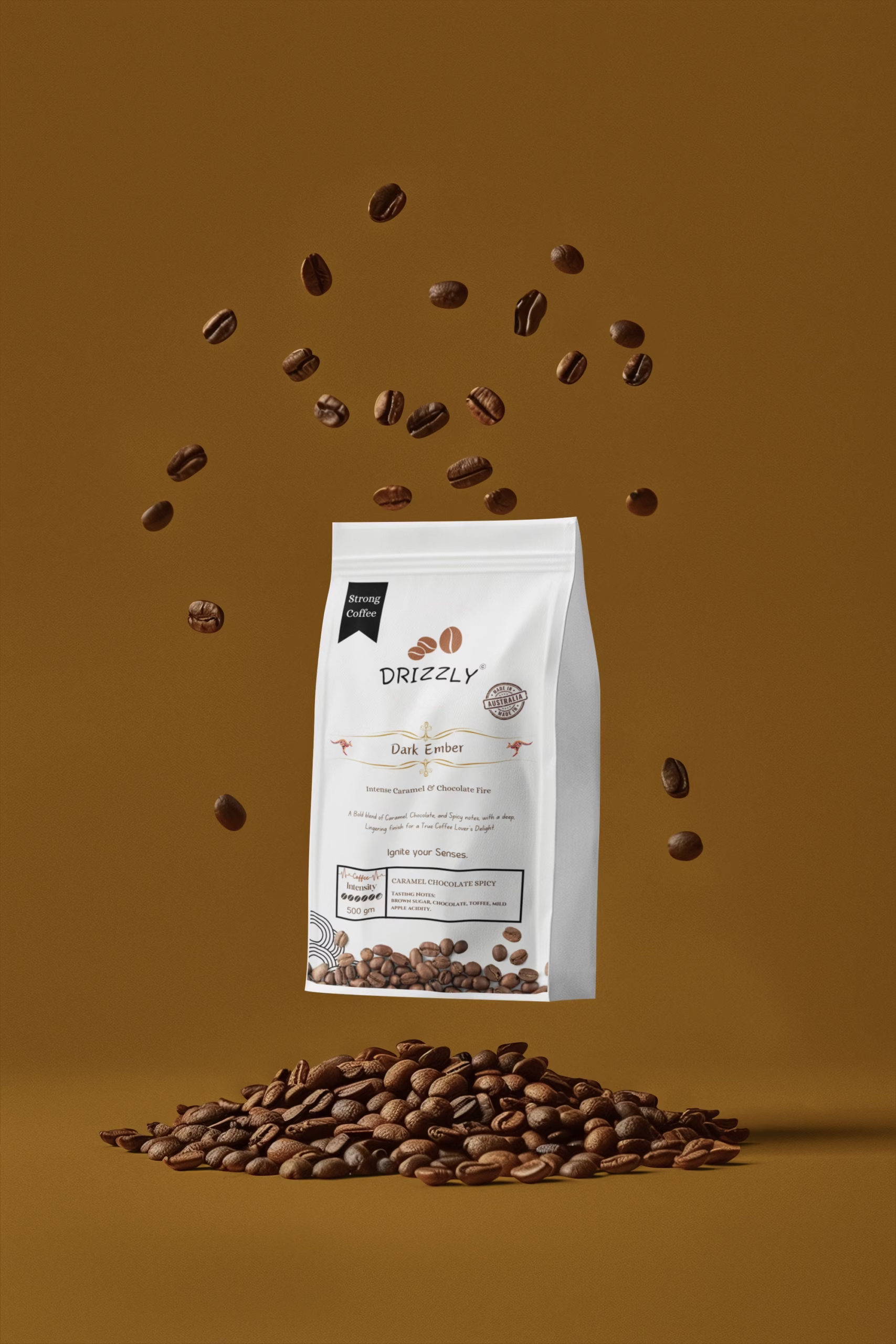
Practical tip: Dark roasts like Dark Ember – Intense Caramel & Chocolate Fire are perfect for milk-based drinks like flat whites or lattes, where their intensity cuts through milk.
Understanding Roast Terminology
- First Crack: The audible crack indicating beans have reached a light roast stage.
- Second Crack: A quieter crack sound marking the start of dark roasting.
- Agtron Number: A scale measuring roast degree by colour, lower numbers mean darker roast.
- Crema: The golden foam on espresso, influenced by roast level and freshness.
Common Mistakes When Choosing or Brewing Different Roasts
- Using the same grind size for all roasts: Lighter roasts often require a finer grind to extract flavour fully, while dark roasts benefit from a coarser grind to avoid over-extraction.
- Over-extracting dark roasts: Dark roasts are more soluble and extract quickly; brewing too long can cause bitterness.
- Ignoring freshness: Roast style matters, but so does freshness. Coffee loses aroma and flavour quickly after roasting.
- Wrong water temperature: Light roasts shine with hotter water (93-96°C), while dark roasts brew well at slightly cooler temps (90-93°C) to avoid bitterness.
Troubleshooting Your Brew Based on Roast Style
- Sour taste in light roast: Usually under-extraction. Try finer grind or longer brew time.
- Bitter taste in dark roast: Could be over-extraction or too hot water. Adjust grind coarser or lower temp.
- Flat or dull flavour: Check freshness and dose. Too little coffee or stale beans dull the cup.
How to Choose the Right Roast for Your Taste
Start by identifying your preferred flavour notes and body:
- Enjoy bright, fruity, or floral flavours? Try light roasts.
- Want a balanced, smooth coffee for versatile brewing? Medium roasts are your go-to.
- Crave bold, smoky, and chocolatey flavours? Dark roasts suit milk-based drinks beautifully.
Experiment with blends like Amber Reserve – Rich Chocolate & Butterscotch Elegance for medium-dark complexity or Velvet Reserve – Decadent Dark Chocolate & Caramel Symphony for a medium roast with chocolate and caramel notes.
Takeaway: Roast Style Is Your Coffee’s Personality
Roast style transforms the green bean’s potential into the flavour, aroma, and body you experience in your cup. By understanding the differences between light, medium, and dark roasts, you can tailor your coffee choices and brewing methods to suit your palate and brewing gear. Remember, freshness, grind size, water temperature, and brewing time all play crucial roles alongside roast style.
Enjoy exploring the spectrum of roasts and discovering your perfect cup!