
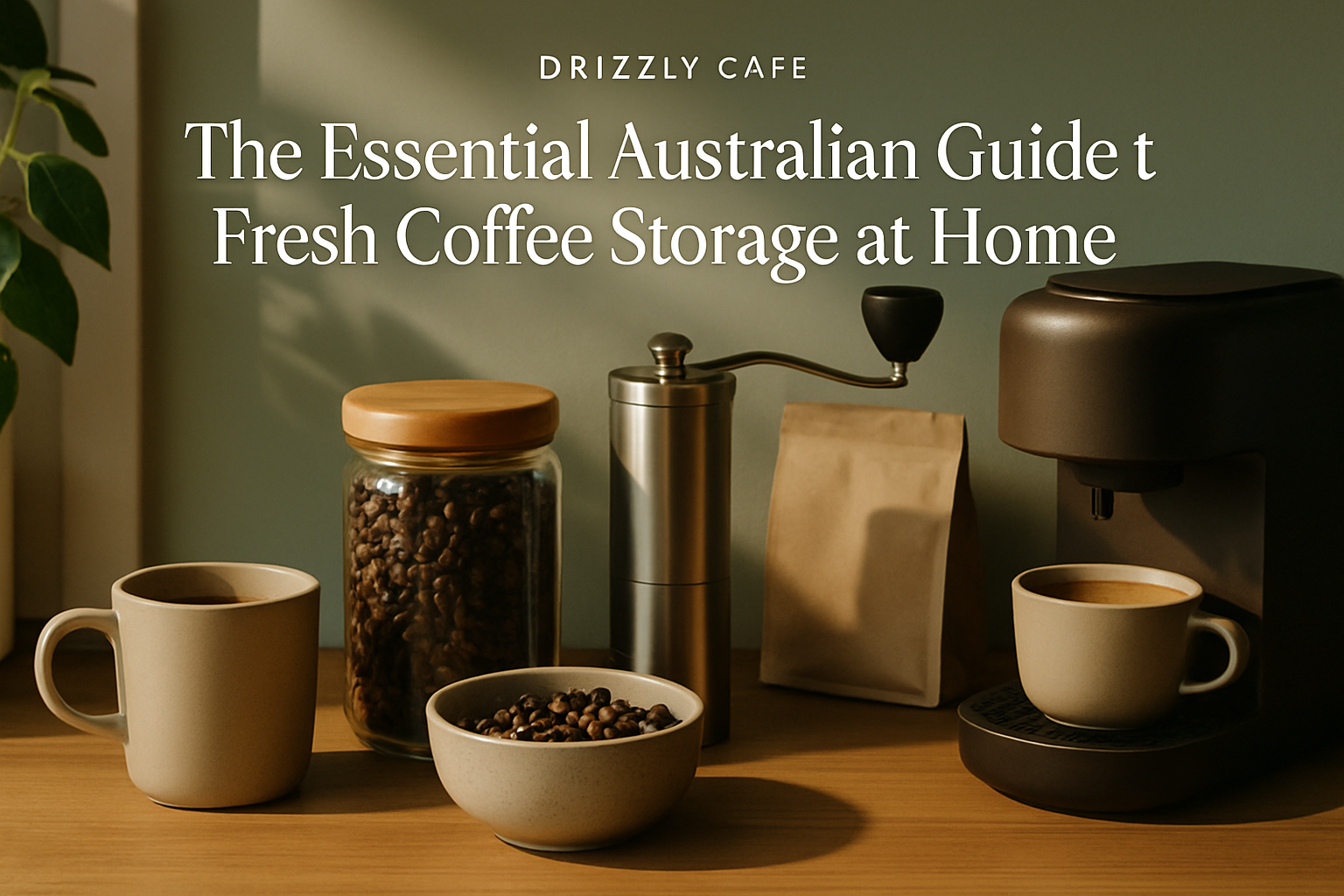
Fresh coffee is a treasure, and storing it properly at home ensures you enjoy every cup at its best. Whether you’re grinding beans from a bold Golden Crest – Silky Caramel & Nut Melody or a rich Velvet Reserve – Decadent Dark Chocolate & Caramel Symphony, knowing how to store your coffee correctly preserves its aroma, flavour, and freshness. This guide dives into the essentials of coffee storage at home—explaining key concepts, offering practical steps, common pitfalls, troubleshooting, and a handy takeaway summary.
Why Proper Coffee Storage Matters
Coffee is a perishable product. Once roasted, it begins to lose its freshness due to exposure to air, moisture, heat, and light. These elements accelerate the oxidation process, causing flavour degradation and staleness.
“Oxidation” is a chemical reaction where oxygen interacts with coffee compounds, diminishing aroma and taste.
Proper storage slows this process, helping you enjoy your coffee’s full-bodied character, whether you prefer espresso, French press, or drip methods.
Understanding Coffee Storage Terminology
- Roasted Coffee Beans: Coffee beans after roasting, ready to be ground.
- Ground Coffee: Coffee beans that have been crushed or ground for brewing.
- Degassing: The release of carbon dioxide (CO2) from freshly roasted coffee beans, which can continue for several days post-roast.
- Airtight Container: A container designed to prevent air from entering or escaping, crucial for coffee freshness.
- Humidity: The amount of moisture in the air, which can negatively impact coffee quality.
Best Practices for Storing Fresh Coffee at Home
1. Choose the Right Container
Use an opaque, airtight container to protect coffee from air, moisture, and light. Avoid clear jars or bags that allow sunlight, which can quickly degrade flavour. Containers with one-way valves help release excess CO2 without letting oxygen in, ideal for freshly roasted beans.
2. Keep Coffee Cool and Dry
Store coffee in a cool, dry place away from heat sources like ovens or direct sunlight. Heat speeds up staling, while moisture can cause mould or spoilage. Avoid storing coffee in the fridge or freezer if you use it daily, as condensation can form and affect flavour.
3. Whole Beans vs Ground Coffee Storage
Whole beans retain freshness longer because less surface area is exposed to air. Grind only what you need just before brewing to maximise flavour.
Ground coffee deteriorates faster and should be stored more carefully in airtight containers, ideally used within a week of opening.
4. Buy Coffee in Small Batches
Purchase coffee quantities that match your consumption rate. For example, if you drink 1–2 cups daily, a 250g bag of blends like Amber Reserve – Rich Chocolate & Butterscotch Elegance might last you about two weeks, ensuring freshness.
Common Coffee Storage Mistakes to Avoid
- Storing coffee in the fridge or freezer daily: Frequent temperature changes cause condensation, damaging coffee flavour.
- Leaving coffee in open bags or containers: Exposure to air quickly stales coffee.
- Using transparent containers: Light exposure accelerates flavour breakdown.
- Buying large quantities: Coffee can go stale before it’s fully used.
Troubleshooting Your Coffee Freshness
If your coffee tastes flat or stale, consider these checks:
- Check storage conditions: Is your coffee exposed to heat, light, or moisture?
- Review container type: Use airtight, opaque containers with one-way valves where possible.
- Assess consumption rate: Do you buy more than you can consume before it loses freshness?
- Grind just before brewing: Avoid pre-ground coffee stored for long periods.
Adjusting these factors can revive your coffee experience.
Expert Tips for Australian Coffee Lovers
- Buy freshly roasted coffee locally or from trusted roasters to ensure optimal freshness.
- Use a coffee canister such as those with a vacuum seal to extend shelf life.
- For slow consumption, consider vacuum-sealed packs like those Drizzly Cafe offers, maintaining freshness for longer.
Takeaway: The Key to Fresh Coffee at Home
Storing your fresh coffee beans or grounds properly is essential to preserving their vibrant flavours and aromas. Remember these core principles: use airtight, opaque containers; keep coffee cool and dry; grind fresh; and buy in small quantities aligned with your use. With these steps, every cup you brew will taste as delightful as the first.