
Whether you’re fueling a busy office or simply want to upgrade your workday coffee routine, understanding coffee in the Australian workplace is key to keeping your team happy and productive. Australia takes its coffee seriously, and a cup that’s well-brewed can make all the difference to morale and focus.
Why Good Coffee Matters in Australian Workplaces
Coffee culture in Australia is vibrant and passionate, spilling over into the workplace where quality coffee can boost energy, encourage social connection, and even improve concentration. However, making consistently great coffee at work requires more than just a good machine — it involves understanding beans, grind, water, and technique.
Choosing the Right Coffee Beans for Your Workplace
Start with quality coffee beans to ensure flavour and freshness. Beans can broadly be divided into blends and single-origin, roasted to different levels from light to dark. Here’s what to consider for an office setting:
Blend vs Single Origin
- Blends combine beans from different regions to create balanced flavours and consistency. Ideal for workplaces seeking a dependable coffee profile.
- Single Origin beans offer unique regional flavours but may vary between batches, which could be less predictable for office use.
Roast Level
- Light roast highlights acidity and fruity or floral notes but may be too subtle for milk-based drinks common in Australian offices.
- Medium roast balances acidity and body, making it versatile for espresso and filter brewing.
- Dark roast delivers intense, bold flavours with chocolate and caramel notes, cutting through milk well.
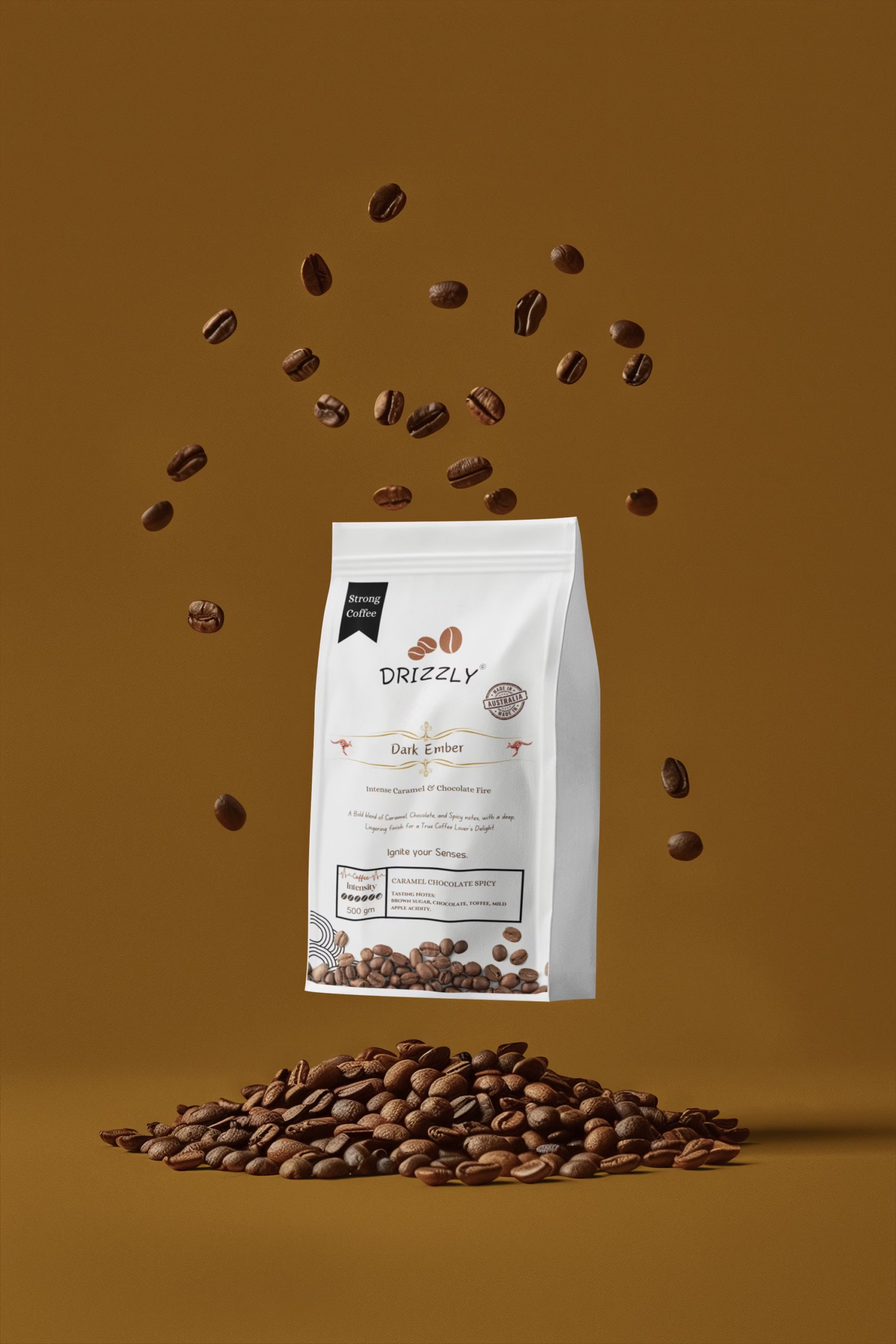
For example, Dark Ember – Intense Caramel & Chocolate Fire is a dark blend designed to cut through milk, perfect for espresso or flat whites common in Australia’s workplace coffee culture.
Brewing Methods Suitable for Workplaces
Depending on your office size, budget, and preferences, various brewing methods can be employed. Here’s a quick guide:
Espresso Machines
Espresso machines are widespread in Australian workplaces, delivering quick, concentrated shots with rich crema. They work well with dark and medium roasts. Key to great espresso is a consistent grind size, tamp, and machine maintenance.
Automatic Coffee Machines
Bean-to-cup machines offer convenience and speed. While they may sacrifice some customisation, modern machines can produce good quality coffee with minimal effort.
Manual Methods: French Press, Aeropress, Pour Over
These methods allow more control and can be great for smaller teams prioritising flavour nuances. They require slightly more time and skill, so consider your office’s capacity for this.
Key Concepts for Coffee Brewing Success
Grind Size
Correct grind size is critical: too coarse leads to weak, under-extracted coffee; too fine causes bitterness and over-extraction. Espresso needs a fine grind; French press uses coarse.
Water Quality and Temperature
Use filtered water free of strong flavours or chlorine. Ideal brewing temperature is around 92-96°C. Too hot can cause bitterness; too cool results in sour flavours.
Extraction Time
Extraction time affects flavour. Espresso shots usually pull in 25-30 seconds. Over-extraction yields bitterness, under-extraction tastes sour or weak.
Common Workplace Coffee Mistakes and Fixes
- Using stale beans: Always store beans in airtight containers away from light and heat. Buy fresh quantities to avoid staleness.
- Incorrect grind: Adjust grind size regularly based on extraction results and machine used.
- Neglecting machine cleaning: Regularly clean espresso machines and grinders to prevent oil buildup and flavour contamination.
- Ignoring water quality: Use filtered water to avoid off-flavours.
- Not measuring doses: Use scales to dose coffee and water accurately for consistent results.
Practical Steps to Improve Your Office Coffee
- Choose a reliable coffee supplier offering blends suited to your team’s taste and brewing equipment.
- Train staff or appoint a coffee champion to maintain machines and oversee coffee quality.
- Invest in quality grinders that allow grind size adjustment and consistent doses.
- Schedule regular machine maintenance including descaling and cleaning.
- Encourage feedback from your team to fine-tune bean choice and brewing methods.
Decaf and Specialty Options
Not everyone wants caffeine but still enjoys a great coffee moment. Options like Pure Bliss Decaf – Smooth Caramel & Fruity Delight provide full flavour without caffeine, perfect for afternoon or late meetings.

Troubleshooting Tips
- Bitter coffee: Try a coarser grind, reduce extraction time, or check water temperature.
- Sour or weak coffee: Use a finer grind, increase dose, or check machine pressure.
- Flat or dull coffee: Ensure beans are fresh and properly stored.
- Inconsistent results: Calibrate grinder regularly and clean equipment.
Takeaway
Creating great coffee in Australian workplaces is achievable with the right beans, equipment, and attention to detail. Prioritise freshness, correct grind, clean machines, and quality water for a superior coffee experience that boosts workplace wellbeing and productivity. Consider blends like Dark Ember for bold milk-based drinks or Pure Bliss Decaf for caffeine-free enjoyment.