
If you’ve ever sipped a smooth, clean, and refreshing cup of filter coffee and wondered how to make it yourself, you’re in the right place. Filter coffee is a straightforward brewing method that’s perfect for beginners yet highly rewarding. Unlike espresso, it highlights the subtle flavours and bright notes of your coffee beans with a gentler extraction. This guide will walk you through what filter coffee is, how to brew it, the equipment you’ll need, and how to avoid common pitfalls—all with a warm Aussie approach that’s easy to follow.
What is Filter Coffee?
Filter coffee involves pouring hot water over medium-ground coffee held in a paper, metal, or cloth filter. The water slowly drips through the grinds, extracting the coffee’s flavours, and collects in a pot or jug below. The result is a clean, balanced cup with a lighter body than espresso but more clarity than instant coffee.
Also known as drip coffee, pour-over, or filter drip, this method is popular worldwide and gaining traction in Australia’s thriving coffee scene.
Why Choose Filter Coffee?
- Flavour clarity: The slower extraction highlights bright, fruity, and floral notes.
- Gentle on acidity: Ideal if you prefer a less intense, smoother coffee.
- Simple equipment: No expensive machines needed—perfect for home brewing.
- Customisable: Control over grind size, brew time, and water temperature lets you experiment.
Essential Equipment for Brewing Filter Coffee at Home
Getting the right tools doesn’t have to be complicated or costly. Here’s what you’ll need:
- Filter coffee maker: Options include manual pour-over drippers (like the popular V60), automatic drip machines, or a French press (though technically a different method).
- Filters: Paper filters are most common and easy to use; metal or cloth filters are reusable and eco-friendly.
- Grinder: A burr grinder is best for consistent medium-coarse grounds, but a blade grinder can work if budget is tight.
- Kettle: A gooseneck kettle is ideal for precise pouring, but any kettle will do in a pinch.
- Scale: Measuring coffee and water by weight ensures accuracy.
- Fresh coffee beans: Look for medium roast blends suited for filter brewing.
Choosing Coffee Beans for Filter Coffee
Filter coffee shines with beans that offer complexity and brightness. Single-origin beans or light to medium roasts often work best, but blends designed for filter brewing can be a great start.
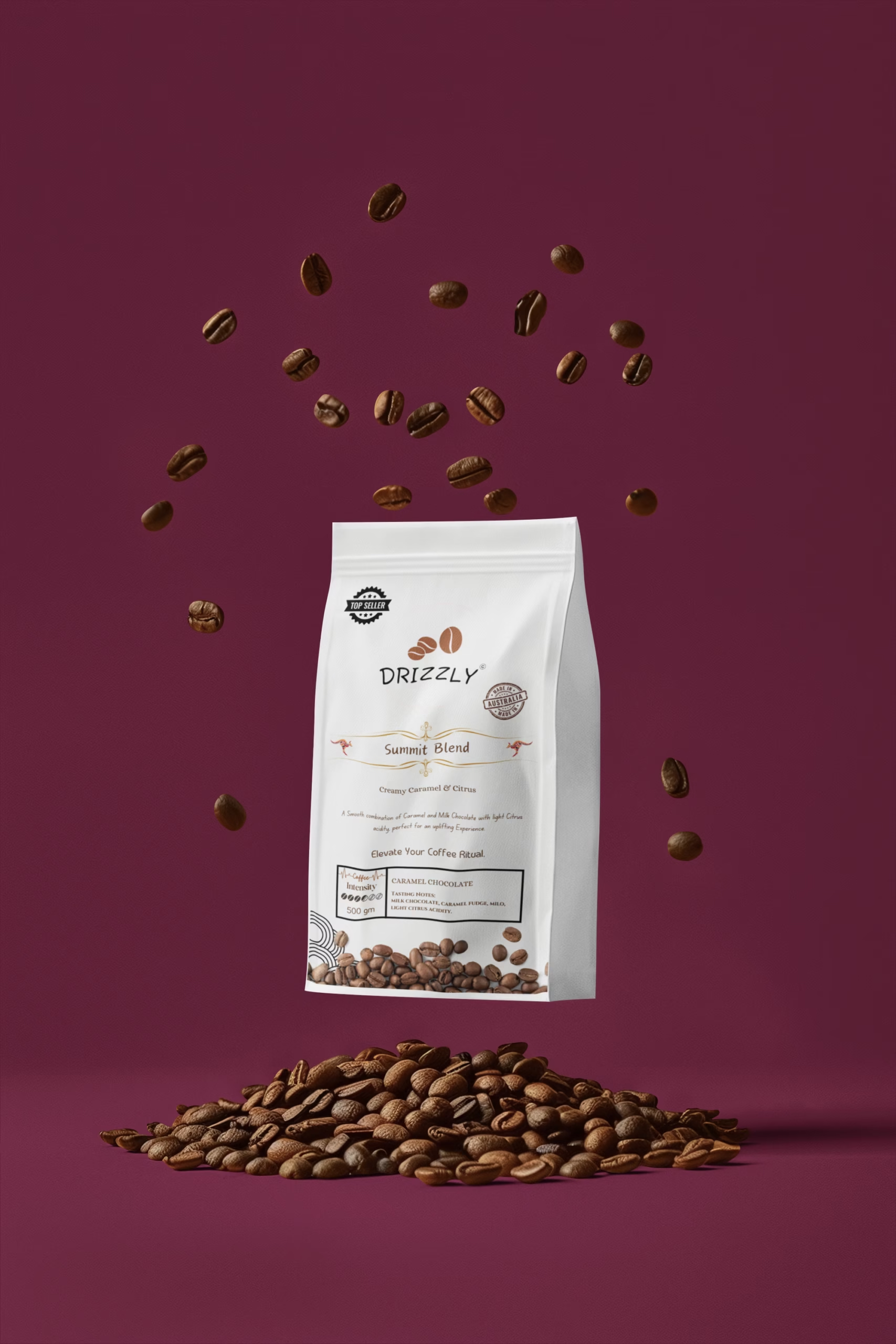
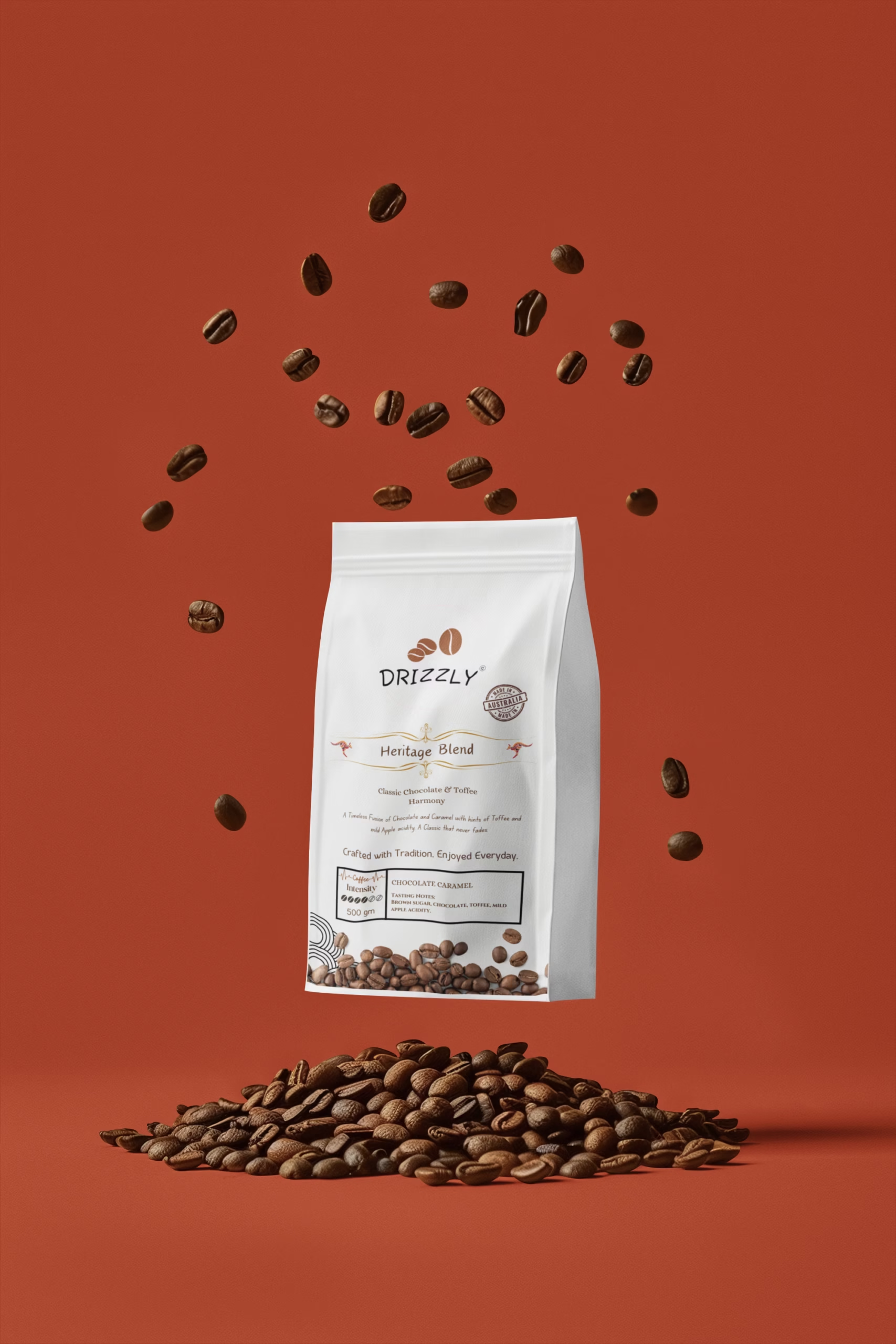
Here are two Drizzly Cafe blends that suit filter coffee beautifully:

Step-by-Step Guide to Brewing Filter Coffee
Here’s a simple method using a manual pour-over dripper, like a V60:
- Prepare your equipment: Place the dripper on your mug or jug and insert a paper filter.
- Rinse the filter: Pour hot water through the filter to remove paper taste and preheat your vessel, then discard the water.
- Grind your coffee: Use about 15 grams of coffee for 250 ml of water. Grind to a medium-coarse texture, similar to sea salt.
- Add the coffee: Place the ground coffee in the filter and gently shake to level the bed.
- Bloom phase: Pour about 50 ml of hot water (92-96°C) evenly over the grounds to saturate them. Wait 30-45 seconds to allow gases to release.
- Pour remaining water: Slowly pour the rest of the water in a circular motion, maintaining a steady flow.
- Let it drip: Allow all water to pass through the grounds. Total brew time should be around 3-4 minutes.
- Enjoy: Remove the dripper, give your coffee a gentle swirl, and savor your fresh brew.
Key Tips for Success
- Use freshly roasted coffee for best flavour.
- Maintain water temperature between 92-96°C—not boiling.
- Adjust grind size if the coffee brews too quickly (coarser) or too slowly (finer).
- Use good-quality, filtered water as it greatly impacts taste.
Common Mistakes and How to Fix Them
- Over-extracted coffee (bitter, harsh): Caused by too fine a grind or too long brew time. Fix by using a coarser grind or reducing brew time.
- Under-extracted coffee (sour, weak): Caused by too coarse a grind or short brew time. Fix by grinding finer or extending brew time.
- Uneven extraction: Pour water evenly and avoid pouring all at once to prevent channeling.
- Using old coffee: Coffee loses flavour quickly after roasting. Buy smaller amounts and store in an airtight container.
Troubleshooting Your Filter Coffee
If your coffee doesn’t taste quite right, here are some quick checks:
- Check grind size: Adjust in small steps and note changes.
- Water temperature: Boiling water kills delicate flavours; let it cool slightly.
- Brewing time: Aim for 3-4 minutes total for pour-over. Too fast or slow affects taste.
- Freshness: Use beans roasted within the last 3 weeks.
Bonus: Quick Filter Coffee Options
If you’re short on time but want quality, Drizzly Instant Coffee – Drizzly’s Speciality 250gm offers a real coffee experience with no equipment needed. It’s perfect for those mornings when convenience wins.
Takeaway: Mastering Filter Coffee Starts with Patience and Practice
Filter coffee is a beautiful brewing method that rewards your attention and care with a bright, nuanced cup. Start simple, focus on fresh beans and clean water, and adjust grind size and pouring technique as you go. With these warm Aussie tips, you’ll soon enjoy your perfect pot of filter coffee at home.