
Filter coffee is a wonderfully straightforward way to enjoy a clean, nuanced cup of coffee without the need for expensive machines or barista training. If you’re new to the world of filter coffee, this guide will walk you through all the essentials—from what filter coffee actually is, to how to get your brew just right, plus tips to avoid common mistakes and troubleshoot problems.
What is Filter Coffee?
Filter coffee refers to a brewing method where hot water passes through ground coffee held in a filter, allowing the water to extract flavours and then drip into a vessel below. Unlike espresso, which is quick and uses pressure, filter coffee is a slower process that highlights the coffee’s subtle flavour notes and clarity.
Common equipment includes:
- Chemex or V60 dripper – Cone-shaped devices that use paper filters.
- French press – Uses a metal mesh plunger instead of paper filters.
- Automatic drip machines – Popular in many Australian homes and offices.
For beginners, manual pour-over methods like the V60 are particularly rewarding because they teach you control over variables such as grind size and pouring speed.
The Basics: What You’ll Need
- Fresh coffee beans: Whole beans ground just before brewing give the best flavour. For filter coffee, a medium grind is ideal — coarser than espresso but finer than French press.
- Quality water: Use fresh, filtered water at about 92–96°C (just off the boil).
- Filter and dripper: Paper filters are standard for clean flavour; metal or cloth filters offer different textures.
- Scale and timer: Precision helps consistency, especially for beginners.
- Kettle: A gooseneck kettle is great for controlled pouring, but any kettle will do.
Step-by-Step: How to Brew Filter Coffee
- Weigh your coffee: A good starting ratio is 1:16 coffee to water. For one cup (about 250ml), use roughly 15 grams of coffee.
- Grind: Use a burr grinder for consistent medium grind size. The grounds should feel like coarse sand.
- Set up your dripper: Place your paper filter in the dripper and rinse it with hot water to remove any paper taste and preheat your equipment.
- Add coffee grounds: Pour them into the rinsed filter and gently shake to level the bed.
- Start brewing: Pour a small amount (about double the coffee weight) of hot water over the grounds to bloom them. This releases CO₂ and preps the coffee for extraction. Wait 30 seconds.
- Continue pouring: Slowly pour the remaining water in a circular motion, avoiding the edges. Aim to finish pouring within 2:30 to 3:30 minutes.
- Let it drip: Allow all the water to pass through before removing the dripper.
- Enjoy: Pour into your favourite mug and savour your fresh filter coffee.
Understanding Key Terms
- Grind Size: The size of your coffee particles affects extraction. Too fine, and coffee over-extracts (bitter); too coarse, and it under-extracts (sour or weak).
- Extraction: The process of dissolving coffee flavours into water. Balanced extraction results in a pleasant cup.
- Bloom: The initial wetting of grounds releasing trapped gases, essential for even extraction.
- Ratio: The weight of coffee compared to water. Precision here affects strength and flavour.
Common Mistakes to Avoid
- Using pre-ground coffee: Ground coffee quickly loses freshness and flavour. Always grind fresh if possible.
- Wrong grind size: Using espresso or very coarse grind leads to unbalanced taste.
- Water too hot or too cold: Boiling water can burn coffee; too cool water won’t extract enough flavour.
- Ignoring equipment cleanliness: Old coffee oils and residue impact taste.
- Pouring too fast or unevenly: This can cause channeling and uneven extraction.
Troubleshooting Your Brew
- Bitter or burnt taste: Your grind may be too fine, water too hot, or brew time too long. Try a coarser grind and slightly cooler water.
- Sour or weak coffee: Coffee might be under-extracted due to coarse grind, too little coffee, or low water temperature.
- Slow dripping: Grind might be too fine or coffee bed too compacted. Try a coarser grind and loosen the grounds slightly.
- Cloudy or muddy cup: Often caused by poor filtration or coffee grounds leaking through; check your filter quality.
Recommended Coffee Blends for Filter Brewing
Choosing the right coffee beans can elevate your filter coffee experience. Here are some friendly, accessible blends from Drizzly Cafe that pair beautifully with filter methods:
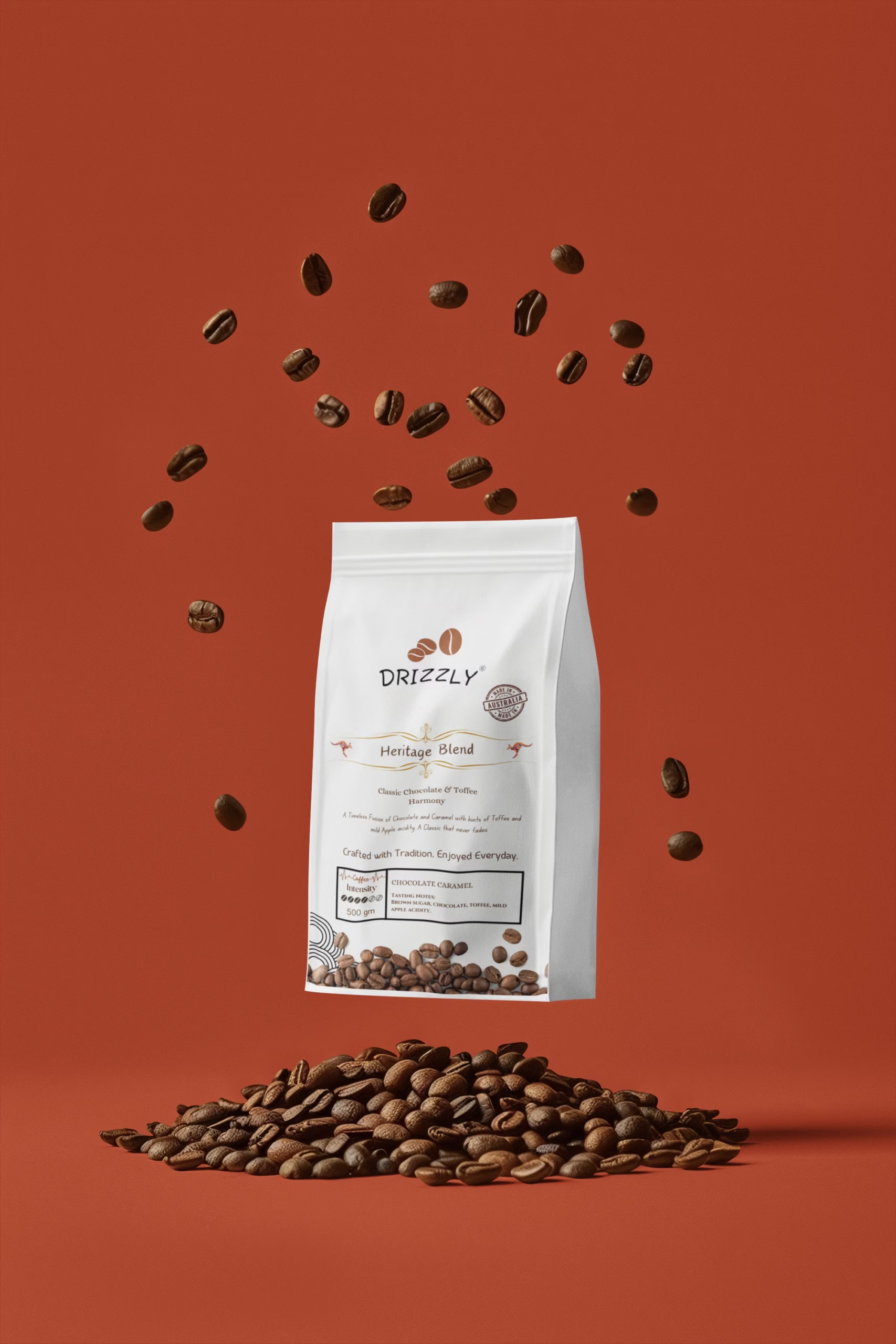

Both blends offer approachable flavour profiles and are well-loved by Australian home brewers.
Takeaway: Brew Your Best Filter Coffee
Filter coffee is a beautiful way to enjoy the complexity of coffee beans with minimal fuss. Starting with fresh beans, a proper medium grind, clean water at the right temperature, and a steady pour will set you on the path to great coffee. Experiment and adjust grind size, water ratio, and pour speed to find your perfect cup. Remember, it’s about enjoying the process as much as the coffee.
FAQ
- Q: What grind size is best for filter coffee?A: A medium grind is ideal, similar to coarse sand. It allows water to flow through at the right speed for balanced extraction.
- Q: Can I use espresso coffee beans for filter coffee?A: Yes, but espresso beans are often roasted darker and ground much finer. For filter coffee, grind the beans coarser than espresso to avoid bitterness.
- Q: How hot should my water be?A: Aim for 92–96°C. Boiling water (100°C) can scorch the grounds and cause bitterness.
- Q: How do I clean my filter coffee equipment?A: Rinse paper filters before use. After brewing, wash drippers and kettles with warm water and mild detergent, avoiding coffee oil build-up.
- Q: What’s the best coffee-to-water ratio?A: A good starting point is 1:16 (e.g., 15 grams coffee to 250 ml water). Adjust to taste for stronger or lighter brews.